Skip to content
Careers
Contact Us
  • Who We Are
    • About Amref Health Africa
    • Our Vision and Values
    • How we work
    • Our People
  • What We Do
    • Our Work
      • Water and Disease Prevention
      • Women and Girls
      • Health Worker Training
      • Health Innovations
      • Climate and Health
      • Social Determinants of Health
    • Where We Work
      • Across Africa
      • Amref in Ethiopia
      • Amref in Kenya
      • Amref in Malawi
      • Amref in South Sudan
      • Amref in Tanzania
      • Amref in Uganda
      • Amref in West Africa
      • Amref in Zambia
    • Our Impact
  • Newsroom
  • Get Involved
    • Donate
      • Make a Donation
      • Why donate to Amref?
    • Other ways to give
      • Gifts In Wills
      • Gifts in Celebration
      • Fundraise for Us
    • Other ways to support
      • Philanthropy
      • Corporate Partnerships
      • Trusts and Foundations
  • Who We Are
    • About Amref Health Africa
    • Our Vision and Values
    • How we work
    • Our People
  • What We Do
    • Our Work
      • Water and Disease Prevention
      • Women and Girls
      • Health Worker Training
      • Health Innovations
      • Climate and Health
      • Social Determinants of Health
    • Where We Work
      • Across Africa
      • Amref in Ethiopia
      • Amref in Kenya
      • Amref in Malawi
      • Amref in South Sudan
      • Amref in Tanzania
      • Amref in Uganda
      • Amref in West Africa
      • Amref in Zambia
    • Our Impact
  • Newsroom
  • Get Involved
    • Donate
      • Make a Donation
      • Why donate to Amref?
    • Other ways to give
      • Gifts In Wills
      • Gifts in Celebration
      • Fundraise for Us
    • Other ways to support
      • Philanthropy
      • Corporate Partnerships
      • Trusts and Foundations
Donate
Donate
  • Who We Are
    • About Amref Health Africa
    • Our Vision and Values
    • How we work
    • Our People
  • What We Do
    • Our Work
      • Water and Disease Prevention
      • Women and Girls
      • Health Worker Training
      • Health Innovations
      • Climate and Health
      • Social Determinants of Health
    • Where We Work
      • Across Africa
      • Amref in Ethiopia
      • Amref in Kenya
      • Amref in Malawi
      • Amref in South Sudan
      • Amref in Tanzania
      • Amref in Uganda
      • Amref in West Africa
      • Amref in Zambia
    • Our Impact
  • Newsroom
  • Get Involved
    • Donate
      • Make a Donation
      • Why donate to Amref?
    • Other ways to give
      • Gifts In Wills
      • Gifts in Celebration
      • Fundraise for Us
    • Other ways to support
      • Philanthropy
      • Corporate Partnerships
      • Trusts and Foundations
  • Who We Are
    • About Amref Health Africa
    • Our Vision and Values
    • How we work
    • Our People
  • What We Do
    • Our Work
      • Water and Disease Prevention
      • Women and Girls
      • Health Worker Training
      • Health Innovations
      • Climate and Health
      • Social Determinants of Health
    • Where We Work
      • Across Africa
      • Amref in Ethiopia
      • Amref in Kenya
      • Amref in Malawi
      • Amref in South Sudan
      • Amref in Tanzania
      • Amref in Uganda
      • Amref in West Africa
      • Amref in Zambia
    • Our Impact
  • Newsroom
  • Get Involved
    • Donate
      • Make a Donation
      • Why donate to Amref?
    • Other ways to give
      • Gifts In Wills
      • Gifts in Celebration
      • Fundraise for Us
    • Other ways to support
      • Philanthropy
      • Corporate Partnerships
      • Trusts and Foundations
Donate
  • Who We Are
    • About Amref Health Africa
    • Our Vision and Values
    • How we work
    • Our People
  • What We Do
    • Our Work
      • Water and Disease Prevention
      • Women and Girls
      • Health Worker Training
      • Health Innovations
      • Climate and Health
      • Social Determinants of Health
    • Where We Work
      • Across Africa
      • Amref in Ethiopia
      • Amref in Kenya
      • Amref in Malawi
      • Amref in South Sudan
      • Amref in Tanzania
      • Amref in Uganda
      • Amref in West Africa
      • Amref in Zambia
    • Our Impact
  • Newsroom
  • Get Involved
    • Donate
      • Make a Donation
      • Why donate to Amref?
    • Other ways to give
      • Gifts In Wills
      • Gifts in Celebration
      • Fundraise for Us
    • Other ways to support
      • Philanthropy
      • Corporate Partnerships
      • Trusts and Foundations
  • Who We Are
    • About Amref Health Africa
    • Our Vision and Values
    • How we work
    • Our People
  • What We Do
    • Our Work
      • Water and Disease Prevention
      • Women and Girls
      • Health Worker Training
      • Health Innovations
      • Climate and Health
      • Social Determinants of Health
    • Where We Work
      • Across Africa
      • Amref in Ethiopia
      • Amref in Kenya
      • Amref in Malawi
      • Amref in South Sudan
      • Amref in Tanzania
      • Amref in Uganda
      • Amref in West Africa
      • Amref in Zambia
    • Our Impact
  • Newsroom
  • Get Involved
    • Donate
      • Make a Donation
      • Why donate to Amref?
    • Other ways to give
      • Gifts In Wills
      • Gifts in Celebration
      • Fundraise for Us
    • Other ways to support
      • Philanthropy
      • Corporate Partnerships
      • Trusts and Foundations

African Leadership for AMR Action

Anti-Microbial Resistance (AMR) is a pandemic we must not ignore. 

Anti-Microbial Resistance (AMR) is a growing challenge in the global health sector.

AMR occurs when bacteria, viruses, fungi and parasites no longer respond to medicines making infections harder to treat and increasing the risk of disease spread, severe illness and death.  

In 2019, Africa had the highest number of AMR-attributed deaths (23.5 per 100,000 deaths) and, without intervention, by 2050 Africa is expected to bear the highest burden of the predicted 10 million annual AMR-attributed deaths. 

Amref, in partnership with GSK, is implementing the African Leadership for AMR Action initiative. It aims to create a localised multi-stakeholder AMR Action Group in and for the Africa Region to support national and local-level AMR programmes. 

Phase One: 2023-2024

Phase One of African Leadership for AMR Action launched in Lusaka, Zambia in December 2023. In this phase we aimed to better understand the status of AMR action across Africa and explore approaches to build sustainability into the delivery phase.

Key outputs from Phase One included: 

  • A situational analysis to understand the status of AMR action across Africa and deep-dive research on AMR action in Zambia, Kenya, Ethiopia, Burkina Faso, and Cameroon;
  • An advocacy messaging framework to support country-level stakeholders to effectively communicate about AMR;
  • Investment cases were developed as template tools to be adapted and adopted by countries for investment into cost-effective AMR measures;
  • Exploratory steps to set up a regional Action Group with key regional AMR stakeholders. 
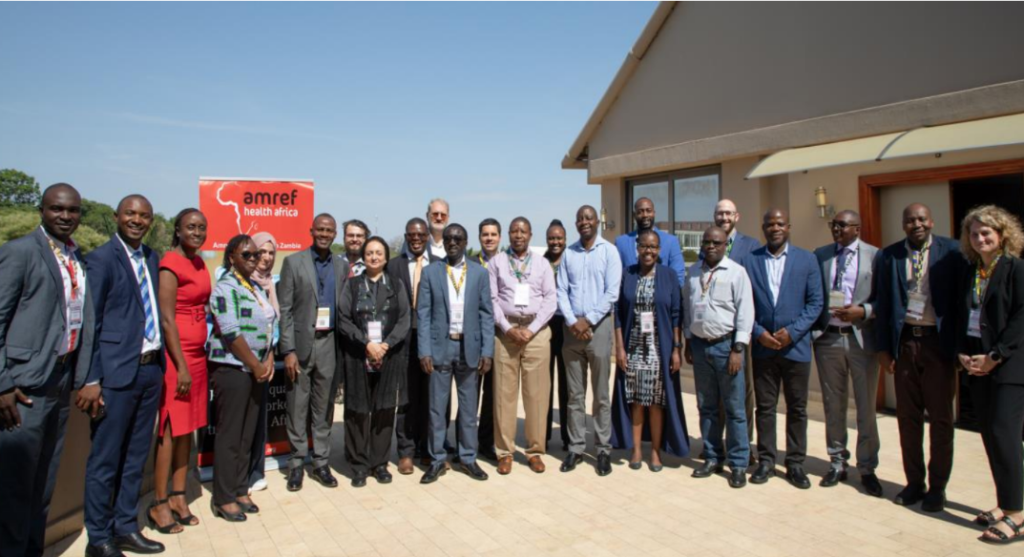
AMR stakeholders at a high-level roundtable in Lusaka, Zambia (c) Amref Health Africa

Focus On: Research and Analysis

Phase One’s situation analysis identified stakeholders working in the AMR space, their areas of focus aligned with the World Health Organisation’s Global Action Plan (GAP) objectives, and opportunities to contribute to AMR mitigation and response efforts in national and regional AMR plans.  

As part of this situation analysis, we conducted deep-dive research in Zambia, Kenya, Ethiopia, Burkina Faso, and Cameroon. This revealed the presence of relevant state actors and intergovernmental bodies, as well as regional NGOs addressing AMR. Key gaps identified included: 

Limited multisectoral collaboration

The One Health approach was limitedly adopted at national and devolved levels. Other vital sectors, such as finance, technology, and communication, have yet to develop and implement policies supporting antimicrobial stewardship (AMS), leaving multisectoral collaboration and commitment  gaps. Civil Society Organisations (CSOs) have also largely been excluded from the AMR discourse. 

Low AMR knowledge

Among community members, healthcare providers, policymakers, and CSOs. Over 50% of households had low knowledge levels. 

Poor Anti-Microbial Stewardship (AMS)

Led to misuse and overuse of antimicrobials. Many respondents didn’t complete antibiotic courses, lacked veterinary oversight for animals, and gave animals antimicrobials without prescriptions. 

Insufficient investment in workforce education and training on AMR

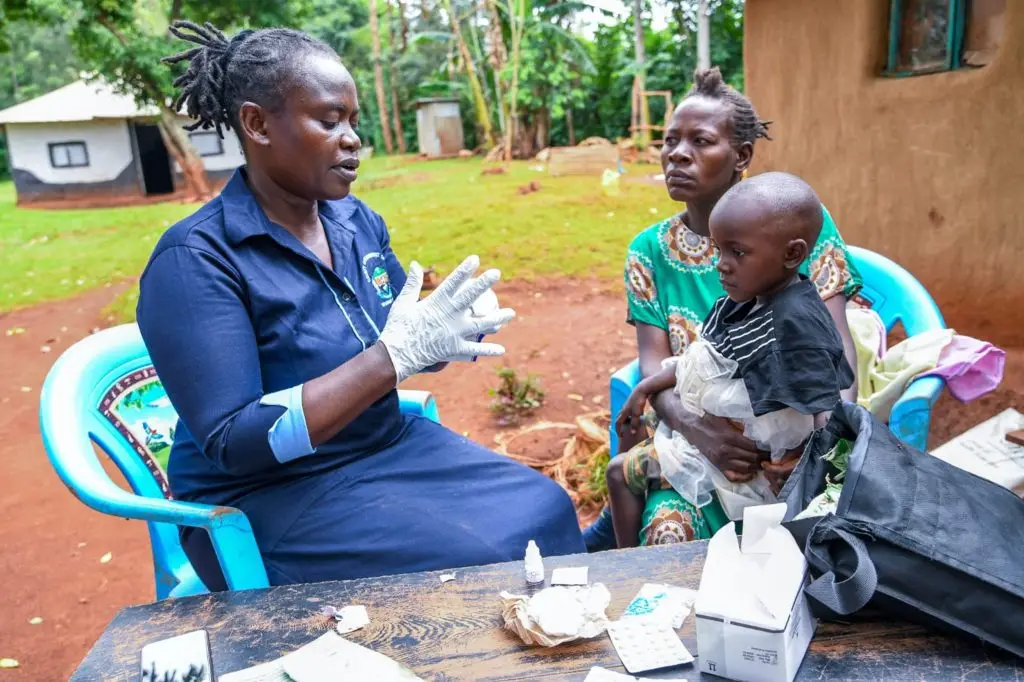
For example, only 19% and 28% of Zambian and Ethiopian health workers, respectively, received continuous professional AMR training. Approximately 42% of human health care providers, 40% of animal health workers and over 90% of environment workers lack sufficient knowledge on AMR, highlighting an urgent need for targeted, sustainable training. 

Weak regulation and enforcement.

There is inconsistent, underdeveloped regulation and limited self–regulation among professionals and community actors. Around 25% of health workers do not follow infection prevention and control (IPC) protocols, and 53% are unaware of regional and national AMR policies. 

Phase Two: 2025-2026

This phase is an 18-month programme running from March 2025 to August 2026, which is being implemented in Kenya and Zambia. 

These countries were selected following their extensive engagement in Phase One, which uncovered substantive One Health opportunities to leverage in order to scale AMR response efforts. They also ensure a regionally representative spread covering East and Southern Africa.  

This phase aims to strengthen leadership and local ownership for AMR action in the African region through enhanced workforce capacity building, community engagement and multisectoral action. 

Strengthening workforce capacity on AMR in One Health sectors 

  • Collaboration with One Health subject matter experts to develop AMR training packages. 
  • Conducting continuous training for the in-service One Health workforce at national and devolved levels.
  • Targeted sensitisation sessions for professionals across animal and human health, and environment sectors.

Integration of AMR education in community health programmes

  • Integration of training packages into community health workforce training programmes.
  • Sensitisation sessions to improve community health workforce and CSO AMR knowledge.
  • Collaboration with Africa CDC and national governments on AMR awareness creation.

Multisector coordination for AMR mitigation efforts

  • Supporting One Health joint review meetings at national and subnational levels.
  • Strengthening a locally-owned regional coordination mechanism.
  • Supporting AMR knowledge exchange forums across levels through virtual forums, symposia, conferences, and documentation.

Watch more about our partnership with GSK.

With thanks to GSK for its support of the programme. The Amref-GSK partnership started more than 35 years ago with an impregnated mosquito net distribution project in Kenya.

We are pleased to continue our work together using the latest tools and techniques to get ahead of disease and create lasting health change.
Learn More

Newsroom: Latest Updates

Announcements, Uncategorised

|

Amid uncertainty, there is hope

Read Article
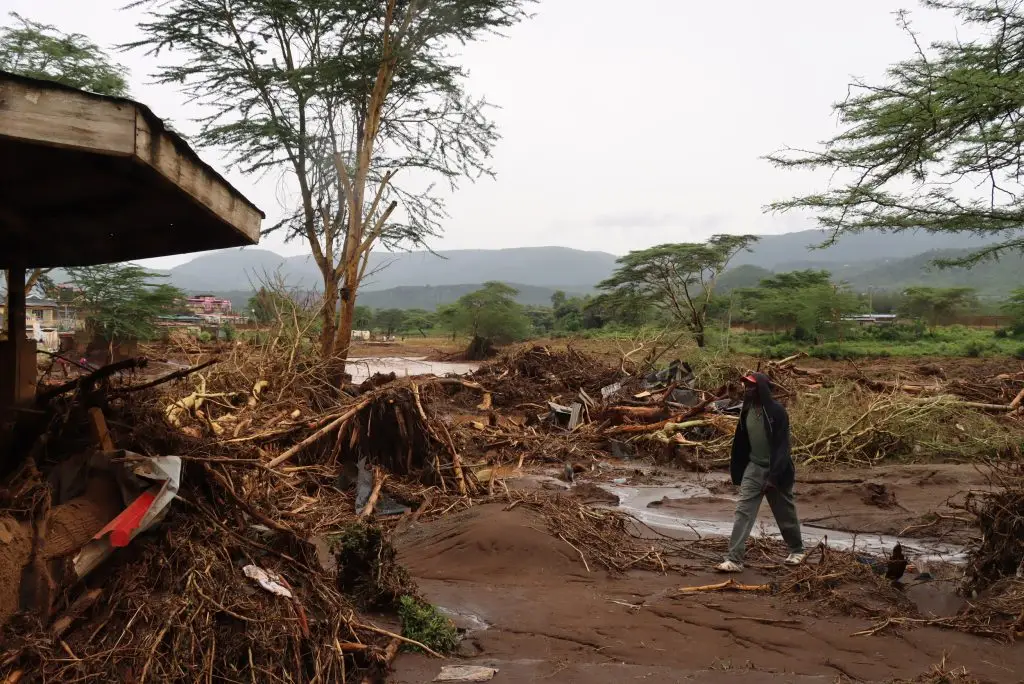
Destruction in the aftermath of devastating floods in Nairobi, Kenya in 2024 (c) Amref Health Africa/Linda Mwendwa Kariuki

Health & Climate Change

|

From Loss and Damage to Health and Justice

Read Article

Social Determinants of Health

|

Amref point of view: Africa’s Pivot Moment on NCDs

Read Article

Health Innovations

|

Youth for Tobacco-Free Futures

Read Article

Women & Girl’s Health

|

Knowledge + Skills = Power

Read Article

Amref Health Africa is Africa’s
leading health NGO, working with communities in 35
countries to secure the right to health and break the cycle of poverty.

Registered charity no. 261488 (England & Wales)
Company no. 00982544

Donate Now

Contact Us

Accessibility Statement

Privacy & Cookie Policy

Terms & Conditions

Get in touch

Canopi, 82 Tanner Street, London, SE1 3GN
020 7269 5520
info@amrefuk.org

Follow us on
Facebook Twitter Linkedin

© 2025 Amref Health Africa UK. All rights reserved.

#Kijana ChatBot

✕