Skip to content
Careers
Contact Us
  • Who We Are
    • About Amref Health Africa
    • Our Vision and Values
    • How we work
    • Our People
  • What We Do
    • Our Work
      • Water and Disease Prevention
      • Women and Girls
      • Health Worker Training
      • Health Innovations
      • Climate and Health
      • Social Determinants of Health
    • Where We Work
      • Across Africa
      • Amref in Ethiopia
      • Amref in Kenya
      • Amref in Malawi
      • Amref in South Sudan
      • Amref in Tanzania
      • Amref in Uganda
      • Amref in West Africa
      • Amref in Zambia
    • Our Impact
  • Newsroom
  • Get Involved
    • Donate
      • Make a Donation
      • Why donate to Amref?
    • Other ways to give
      • Gifts In Wills
      • Gifts in Celebration
      • Fundraise for Us
    • Other ways to support
      • Philanthropy
      • Corporate Partnerships
      • Trusts and Foundations
  • Who We Are
    • About Amref Health Africa
    • Our Vision and Values
    • How we work
    • Our People
  • What We Do
    • Our Work
      • Water and Disease Prevention
      • Women and Girls
      • Health Worker Training
      • Health Innovations
      • Climate and Health
      • Social Determinants of Health
    • Where We Work
      • Across Africa
      • Amref in Ethiopia
      • Amref in Kenya
      • Amref in Malawi
      • Amref in South Sudan
      • Amref in Tanzania
      • Amref in Uganda
      • Amref in West Africa
      • Amref in Zambia
    • Our Impact
  • Newsroom
  • Get Involved
    • Donate
      • Make a Donation
      • Why donate to Amref?
    • Other ways to give
      • Gifts In Wills
      • Gifts in Celebration
      • Fundraise for Us
    • Other ways to support
      • Philanthropy
      • Corporate Partnerships
      • Trusts and Foundations
Donate
Donate
  • Who We Are
    • About Amref Health Africa
    • Our Vision and Values
    • How we work
    • Our People
  • What We Do
    • Our Work
      • Water and Disease Prevention
      • Women and Girls
      • Health Worker Training
      • Health Innovations
      • Climate and Health
      • Social Determinants of Health
    • Where We Work
      • Across Africa
      • Amref in Ethiopia
      • Amref in Kenya
      • Amref in Malawi
      • Amref in South Sudan
      • Amref in Tanzania
      • Amref in Uganda
      • Amref in West Africa
      • Amref in Zambia
    • Our Impact
  • Newsroom
  • Get Involved
    • Donate
      • Make a Donation
      • Why donate to Amref?
    • Other ways to give
      • Gifts In Wills
      • Gifts in Celebration
      • Fundraise for Us
    • Other ways to support
      • Philanthropy
      • Corporate Partnerships
      • Trusts and Foundations
  • Who We Are
    • About Amref Health Africa
    • Our Vision and Values
    • How we work
    • Our People
  • What We Do
    • Our Work
      • Water and Disease Prevention
      • Women and Girls
      • Health Worker Training
      • Health Innovations
      • Climate and Health
      • Social Determinants of Health
    • Where We Work
      • Across Africa
      • Amref in Ethiopia
      • Amref in Kenya
      • Amref in Malawi
      • Amref in South Sudan
      • Amref in Tanzania
      • Amref in Uganda
      • Amref in West Africa
      • Amref in Zambia
    • Our Impact
  • Newsroom
  • Get Involved
    • Donate
      • Make a Donation
      • Why donate to Amref?
    • Other ways to give
      • Gifts In Wills
      • Gifts in Celebration
      • Fundraise for Us
    • Other ways to support
      • Philanthropy
      • Corporate Partnerships
      • Trusts and Foundations
Donate
  • Who We Are
    • About Amref Health Africa
    • Our Vision and Values
    • How we work
    • Our People
  • What We Do
    • Our Work
      • Water and Disease Prevention
      • Women and Girls
      • Health Worker Training
      • Health Innovations
      • Climate and Health
      • Social Determinants of Health
    • Where We Work
      • Across Africa
      • Amref in Ethiopia
      • Amref in Kenya
      • Amref in Malawi
      • Amref in South Sudan
      • Amref in Tanzania
      • Amref in Uganda
      • Amref in West Africa
      • Amref in Zambia
    • Our Impact
  • Newsroom
  • Get Involved
    • Donate
      • Make a Donation
      • Why donate to Amref?
    • Other ways to give
      • Gifts In Wills
      • Gifts in Celebration
      • Fundraise for Us
    • Other ways to support
      • Philanthropy
      • Corporate Partnerships
      • Trusts and Foundations
  • Who We Are
    • About Amref Health Africa
    • Our Vision and Values
    • How we work
    • Our People
  • What We Do
    • Our Work
      • Water and Disease Prevention
      • Women and Girls
      • Health Worker Training
      • Health Innovations
      • Climate and Health
      • Social Determinants of Health
    • Where We Work
      • Across Africa
      • Amref in Ethiopia
      • Amref in Kenya
      • Amref in Malawi
      • Amref in South Sudan
      • Amref in Tanzania
      • Amref in Uganda
      • Amref in West Africa
      • Amref in Zambia
    • Our Impact
  • Newsroom
  • Get Involved
    • Donate
      • Make a Donation
      • Why donate to Amref?
    • Other ways to give
      • Gifts In Wills
      • Gifts in Celebration
      • Fundraise for Us
    • Other ways to support
      • Philanthropy
      • Corporate Partnerships
      • Trusts and Foundations

Across Africa

Our regional presence.

Africa’s home-grown health NGO

Amref Health Africa started out in 1957 as the Flying Doctors of East Africa, delivering life-saving care to remote and isolated communities beyond the reach of health systems.

Today, we partner with communities, other civil society organisations, and authorities in 35 African countries. We work in a broad range of contexts and cultures to drive change at a community level and develop policies with health decision-makers that ensures this progress is sustainable.

Through innovation and outreach, we continue to seek new ways of reaching those who need us most.

Find out more about Amref Health Africa

What health challenges is Africa facing?

In 2015, world leaders signed up to the Sustainable Development Goals, which sketch out a picture of how the world might look in 2030. Goal number 3 seeks to “ensure healthy lives and promote well-being for all at all ages”. To reach that objective, UN Member States have committed to Universal Health Coverage (UHC).

UHC means that everyone on the planet should be able to access high-quality healthcare in a way that does not leave them struggling financially. It is based on the belief that health is a human right: that where a person lives should not determine how long, nor how well, they live. That belief is the foundation of our work at Amref Health Africa.

Unfortunately, the world is still a long way from making that right a reality for everyone.

0 %

Less than half of Africa's citizens have access to the healthcare they need and deserve.

0 M

Africans are forced into poverty every year because of crippling out-of-pocket health expenses.

of Africans live more than two hours away from health services.

0 %

of primary healthcare facilities in sub-Saharan Africa have access to clean water and adequate sanitation facilities, and only a third have a reliable source of electricity.

0 M

The World Health Organization (WHO) estimates that this will be the global shortage of health workers by 2030. Africa, home to 17% of the world’s population, accounts for 52% of the shortage.

0

of the AU’s 55 member countries — Cabo Verde and South Africa — met the Abuja Declaration target on health spending in 2021, the most recent year for which data are available.

Prior to the COVID-19 pandemic, the world – Africa included – had made huge strides towards achieving UHC. Since 1990, life expectancy has increased on every continent, and the number of people living in poverty has plummeted. Significant milestones have been met on the road towards lowering the number of HIV- and AIDS-related deaths as well as new infections, protecting children against vaccine-preventable diseases, and ensuring any pregnant women are assisted by a skilled health professional prior to, during, and after giving birth.

Life is getting better for most people, and significant progress has been made through concerted, coordinated efforts, of which Amref has been a part.

But change is not linear, and it’s not happening fast enough.

“Decades of progress […] have flatlined, with no clear recovery from the blows dealt by the COVID-19 pandemic and subsequent crises,” reported the United Nations Development Programme (UNDP) in 2025.
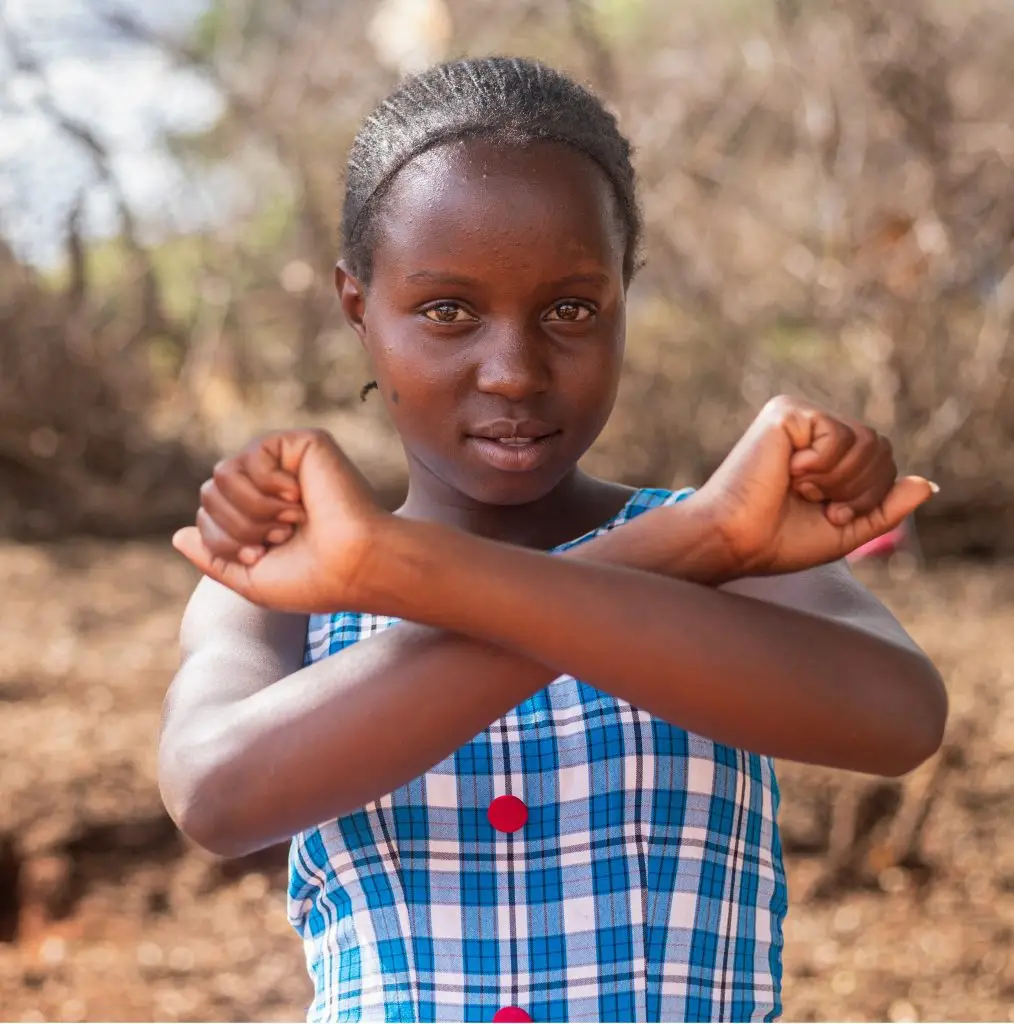
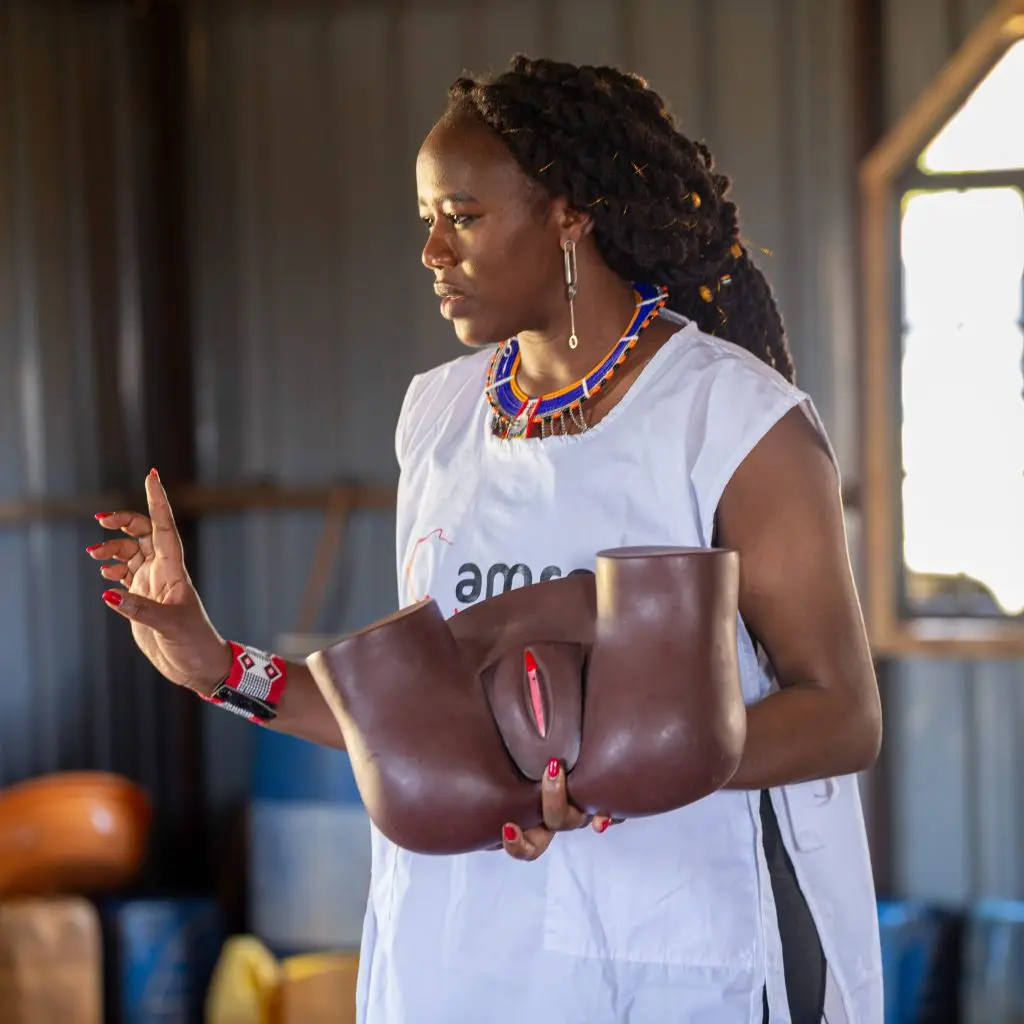
Cynthia Oningoi Simantoi holds an FGM/C awareness session using a dummy for demonstration with some of the women of Maparasha community. (c) Amref Health Africa/Esther Sweeney

All this is taking place against the backdrop of climate-related catastrophe. Although Africa has done little to contribute to the climate crisis, the health of the continent’s citizens is under threat from an increase in food shortages, water-related and vector-borne diseases, and more.

While the current inequities continue, people across Africa are not able to live the healthy, happy lives they deserve.

“Our strategic approach, rooted in community engagement, capacity building, and advocacy for African-led systems, amplifies Africa’s push for sovereignty. By empowering communities, strengthening local systems, and advancing country-driven reforms, we ensure health is produced at home, not just repaired in hospitals.”

Dr Githinji Gitahi, Amref Health Africa Group CEO

How is Amref addressing these challenges?

Today, our broad portfolio of community-centred programmes can be grouped together under six complementary themes, all of which seek to make the right to health a daily reality for all of Africa’s citizens:

Women and Girls

Enabling girls and women to understand their rights, make choices about their bodies, and control the course of their lives.

Water and Disease Prevention

Ensuring the building blocks of good health are in place for every community – with a special focus on the most at-risk people and groups.

Health Worker Training

Meeting the urgent need for skilled health workers at community and facility level – as well as advocating for improved working conditions.

Health Innovations

Finding new, context-specific ways to address persistent challenges, especially when it comes to remote and marginalised communities and groups.

Social Determinants of Health

Addressing the non-medical factors that influence people’s health in order to improve outcomes and ensure equitable access.

Climate and Health

Helping communities to anticipate and mitigate risks, reducing the impact of the climate crisis on the health and wellbeing of people, animals, and ecosystems.

In reality, our programmes take a cross-cutting, integrated approach – because health challenges do not exist in isolation of each other.

Amref’s approach evolves to meet changing needs, and our work is always guided by the communities we serve.

Newsroom: Latest Updates

Announcements, Uncategorised

|

Amid uncertainty, there is hope

Read Article
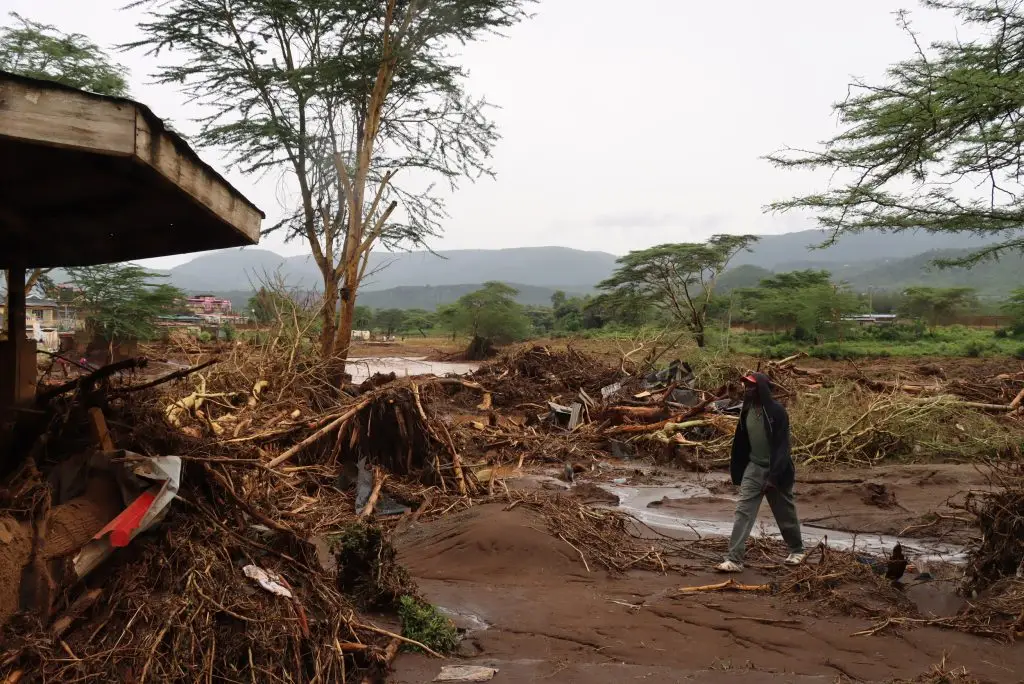
Destruction in the aftermath of devastating floods in Nairobi, Kenya in 2024 (c) Amref Health Africa/Linda Mwendwa Kariuki

Health & Climate Change

|

From Loss and Damage to Health and Justice

Read Article

Social Determinants of Health

|

Amref point of view: Africa’s Pivot Moment on NCDs

Read Article

Health Innovations

|

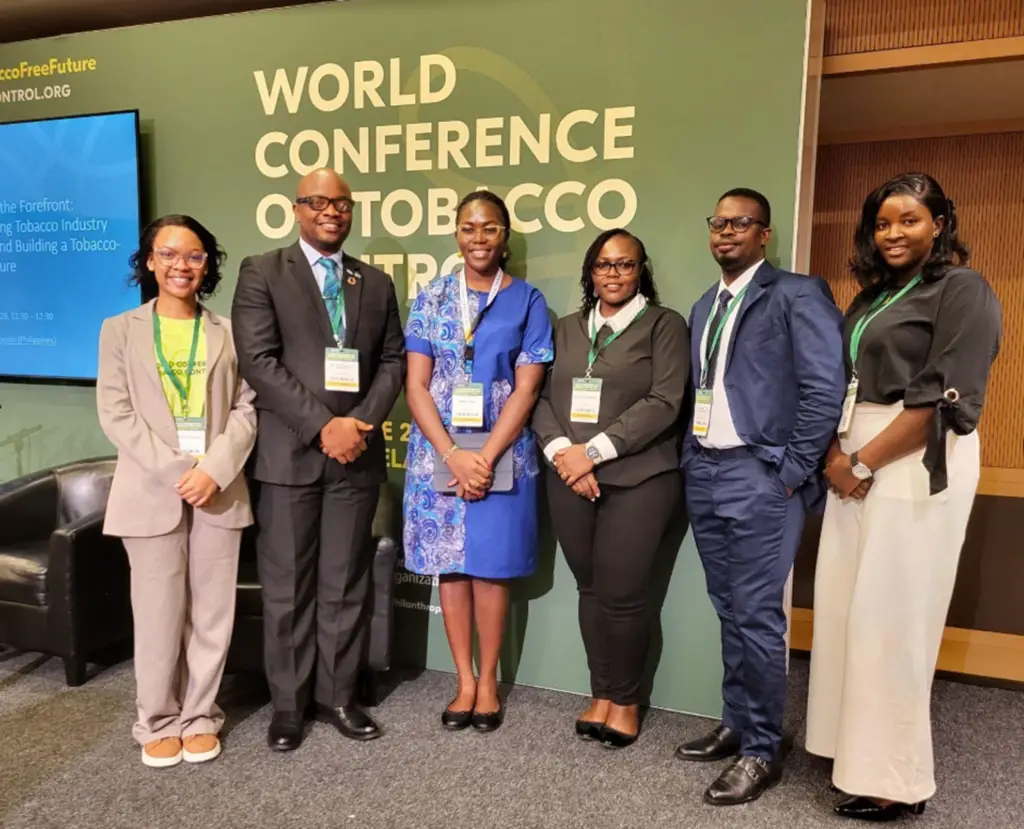
Youth for Tobacco-Free Futures

Read Article

Women & Girl’s Health

|

Knowledge + Skills = Power

Read Article

Amref Health Africa is Africa’s
leading health NGO, working with communities in 35
countries to secure the right to health and break the cycle of poverty.

Registered charity no. 261488 (England & Wales)
Company no. 00982544

Donate Now

Contact Us

Accessibility Statement

Privacy & Cookie Policy

Terms & Conditions

Get in touch

Canopi, 82 Tanner Street, London, SE1 3GN
020 7269 5520
info@amrefuk.org

Follow us on
Facebook Twitter Linkedin

© 2025 Amref Health Africa UK. All rights reserved.

#Kijana ChatBot

✕