Skip to content
Careers
Contact Us
  • Who We Are
    • About Amref Health Africa
    • Our Vision and Values
    • How we work
    • Our People
  • What We Do
    • Our Work
      • Water and Disease Prevention
      • Women and Girls
      • Health Worker Training
      • Health Innovations
      • Climate and Health
      • Social Determinants of Health
    • Where We Work
      • Across Africa
      • Amref in Ethiopia
      • Amref in Kenya
      • Amref in Malawi
      • Amref in South Sudan
      • Amref in Tanzania
      • Amref in Uganda
      • Amref in West Africa
      • Amref in Zambia
    • Our Impact
  • Newsroom
  • Get Involved
    • Donate
      • Make a Donation
      • Why donate to Amref?
    • Other ways to give
      • Gifts In Wills
      • Gifts in Celebration
      • Fundraise for Us
    • Other ways to support
      • Philanthropy
      • Corporate Partnerships
      • Trusts and Foundations
  • Who We Are
    • About Amref Health Africa
    • Our Vision and Values
    • How we work
    • Our People
  • What We Do
    • Our Work
      • Water and Disease Prevention
      • Women and Girls
      • Health Worker Training
      • Health Innovations
      • Climate and Health
      • Social Determinants of Health
    • Where We Work
      • Across Africa
      • Amref in Ethiopia
      • Amref in Kenya
      • Amref in Malawi
      • Amref in South Sudan
      • Amref in Tanzania
      • Amref in Uganda
      • Amref in West Africa
      • Amref in Zambia
    • Our Impact
  • Newsroom
  • Get Involved
    • Donate
      • Make a Donation
      • Why donate to Amref?
    • Other ways to give
      • Gifts In Wills
      • Gifts in Celebration
      • Fundraise for Us
    • Other ways to support
      • Philanthropy
      • Corporate Partnerships
      • Trusts and Foundations
Donate
Donate
  • Who We Are
    • About Amref Health Africa
    • Our Vision and Values
    • How we work
    • Our People
  • What We Do
    • Our Work
      • Water and Disease Prevention
      • Women and Girls
      • Health Worker Training
      • Health Innovations
      • Climate and Health
      • Social Determinants of Health
    • Where We Work
      • Across Africa
      • Amref in Ethiopia
      • Amref in Kenya
      • Amref in Malawi
      • Amref in South Sudan
      • Amref in Tanzania
      • Amref in Uganda
      • Amref in West Africa
      • Amref in Zambia
    • Our Impact
  • Newsroom
  • Get Involved
    • Donate
      • Make a Donation
      • Why donate to Amref?
    • Other ways to give
      • Gifts In Wills
      • Gifts in Celebration
      • Fundraise for Us
    • Other ways to support
      • Philanthropy
      • Corporate Partnerships
      • Trusts and Foundations
  • Who We Are
    • About Amref Health Africa
    • Our Vision and Values
    • How we work
    • Our People
  • What We Do
    • Our Work
      • Water and Disease Prevention
      • Women and Girls
      • Health Worker Training
      • Health Innovations
      • Climate and Health
      • Social Determinants of Health
    • Where We Work
      • Across Africa
      • Amref in Ethiopia
      • Amref in Kenya
      • Amref in Malawi
      • Amref in South Sudan
      • Amref in Tanzania
      • Amref in Uganda
      • Amref in West Africa
      • Amref in Zambia
    • Our Impact
  • Newsroom
  • Get Involved
    • Donate
      • Make a Donation
      • Why donate to Amref?
    • Other ways to give
      • Gifts In Wills
      • Gifts in Celebration
      • Fundraise for Us
    • Other ways to support
      • Philanthropy
      • Corporate Partnerships
      • Trusts and Foundations
Donate
  • Who We Are
    • About Amref Health Africa
    • Our Vision and Values
    • How we work
    • Our People
  • What We Do
    • Our Work
      • Water and Disease Prevention
      • Women and Girls
      • Health Worker Training
      • Health Innovations
      • Climate and Health
      • Social Determinants of Health
    • Where We Work
      • Across Africa
      • Amref in Ethiopia
      • Amref in Kenya
      • Amref in Malawi
      • Amref in South Sudan
      • Amref in Tanzania
      • Amref in Uganda
      • Amref in West Africa
      • Amref in Zambia
    • Our Impact
  • Newsroom
  • Get Involved
    • Donate
      • Make a Donation
      • Why donate to Amref?
    • Other ways to give
      • Gifts In Wills
      • Gifts in Celebration
      • Fundraise for Us
    • Other ways to support
      • Philanthropy
      • Corporate Partnerships
      • Trusts and Foundations
  • Who We Are
    • About Amref Health Africa
    • Our Vision and Values
    • How we work
    • Our People
  • What We Do
    • Our Work
      • Water and Disease Prevention
      • Women and Girls
      • Health Worker Training
      • Health Innovations
      • Climate and Health
      • Social Determinants of Health
    • Where We Work
      • Across Africa
      • Amref in Ethiopia
      • Amref in Kenya
      • Amref in Malawi
      • Amref in South Sudan
      • Amref in Tanzania
      • Amref in Uganda
      • Amref in West Africa
      • Amref in Zambia
    • Our Impact
  • Newsroom
  • Get Involved
    • Donate
      • Make a Donation
      • Why donate to Amref?
    • Other ways to give
      • Gifts In Wills
      • Gifts in Celebration
      • Fundraise for Us
    • Other ways to support
      • Philanthropy
      • Corporate Partnerships
      • Trusts and Foundations

Climate x Health

Health is the human face of climate change. Amref works to build community resilience to climate impacts and position health at the centre of the climate agenda. 

African communities have contributed the least emissions but are most impacted by the effects of climate change.

Africa emits around 3.8% of global greenhouse gas emissions, with sub-Saharan Africa alone contributing about 1.9%. Despite this low level of emissions, seven of the 10 countries most vulnerable to climate disasters are in Africa.

Climate-related hazards (such as droughts, floods, and erratic rainfall) affected more than 110 million people in Africa during 2022, causing over US$ 8.5bn in damage.

Climate shocks worsen food insecurity: in Eastern and Southern Africa, nearly 13m children currently suffer from acute malnutrition, made worse by prolonged droughts and failed harvests.

Water and sanitation systems are also strained by extreme weather—around 40% of people across Africa still lack access to safe drinking water, leaving them more vulnerable to waterborne diseases during floods and droughts.

Vector-borne diseases are on the rise as well; changing temperatures and rainfall patterns have expanded mosquito breeding grounds, driving higher risks of malaria in many regions which were previously malaria-free.

How is health connected to climate change?

Communities are the true front line of the climate crisis; people are the first responders to shocks, witnessing floods, droughts and outbreaks and bearing the brunt of their impacts.  

The climate crisis puts additional pressure on already-weak health systems, which in turn affects those who are most vulnerable. Extreme weather events like droughts and floods increase water stress or cause water-borne disease outbreaks. They displace communities from their homes, cause livestock to die and harvests to fail, leading to increasing insecurity and poorer health.  

Of the 2,121 public health events recorded in Africa between 2001 and 2021, 56% were climate-related.  
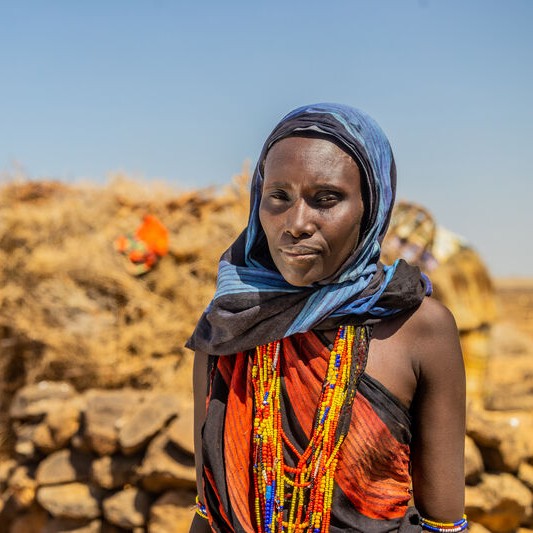
Godanno Mamo outside her homestead in Balesa, North Horr, Marsabit, Kenya. © Amref Health Africa / Tony Wild

What is Amref doing to help?

Amref is working to ensure that African communities can plan for and withstand increasingly frequent climate shocks, helping them to thrive. 

Through partnerships with governments and civil society, we:  

Push for climate policies that prioritise health

Amref engages in advocacy at global forums to ensure Africa’s voice is heard and that health equity is centred in climate discussions. We advocate for adaptation funding to strengthen health systems rather than only focusing on global emission reductions, as these are the solutions that best fit the African context. 

We work with African governments to shape Nationally Determined Contributions (NDCs) and climate policies so they address their unique health impacts. We generate data and evidence that demonstrate how climate shocks affect health, using this evidence to call for policy changes that integrate health and climate planning. We partner with other NGOs, civil society and regional bodies to build momentum for climate justice, ensuring that adaptation funds flow where they are needed most—into frontline health systems and vulnerable communities. 

Support African experts to raise the African voice in global climate negotiations.

We acted as a convenor for stakeholders that drew up the Common African Position on Climate and Health, which was adopted at the Africa Climate Summit. This paved the way for a unified African voice to be heard on the global stage. COP28 was one of those moments. 

Amref supported African Ministers in presenting a unified stance at COP28’s inaugural Health Day, focusing on advancing climate and health financing. We have also developed, in partnership with Amref International University, a climate and health curriculum. This provides training and support to African climate experts to help them advocate for health equity at the centre of the climate agenda. 

At the community level, we: 

Drive practical solutions that address human, animal and environmental health challenges using the One Health approach.

We recognise that human, animal and environmental health are all connected. For good health for all, we co-create solutions with communities which address their unique health challenges, whether they are in informal settlements in a capital city, or nomadic herder communities in semi-arid regions. Clean cooking technologies, like briquettes and improved stoves, for peri-urban communities help to cut indoor air pollution, reduce reliance on charcoal which drives deforestation, and protect families from respiratory illness while lowering emissions. 

We integrate health into livelihoods programmes in rural areas, introducing and promoting climate-smart agricultural methods to help families to build resilience to food insecurity and malnutrition worsened by changing weather patterns. 

We train health workers and strengthen primary health care facilities to build climate resilience.

We support health facilities with solar power, cold-chain technology, and digital health tools so they can keep operating during climate shocks. This ensures essential health services are not interrupted. We train community health workers to respond to climate-sensitive diseases which have outbreaks in the aftermath of climate events such as malaria and cholera.

We equip health workers to raise community awareness about health risks linked to climate change through our mobile and digital learning platforms. And we train community health workers to use their local knowledge to monitor changes in the climate, collect data, and feed that into regional health systems for analysis.  

Integrating Human, Environmental, Animal health and Livelihoods in Kenya – a One Health approach
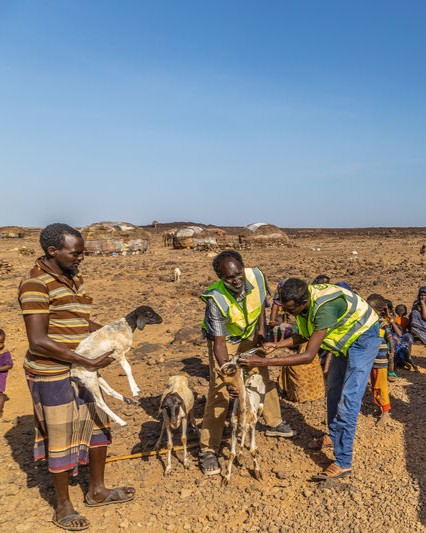
A One Health Unit community outreach in Balsea, Marsabit County, Kenya © Amref Health Africa / Tony Wild

The Human, Environmental, Animal health and Livelihoods (HEAL) project in Kenya is grounded in the One Health approach. The project aims to build the climate resilience of communities living in Marsabit County in northern Kenya.  

One way in which it does this is through the Community-Based Observation Network (CBON). This is a network of trained Community Health Workers who use their indigenous knowledge to monitor changes in the climate. They collect and map data, monitor trends, and input them into regional and national health information systems to inform government decision-making on health. They also cross-reference information on climate with changes in their livelihoods, reviewing this in community health worker dialogues. This information helps us to plan and implement mitigation measures such as tree-planting to stem flooding of agricultural land.  

In this way, the Community-Based Observation Network is feeding us with the information we need to illustrate the direct connection between climate and health to decision-makers and funders in Africa and around the world. 

climate icon 1

Newsroom: Latest Updates

Announcements, Uncategorised

|

Amid uncertainty, there is hope

Read Article
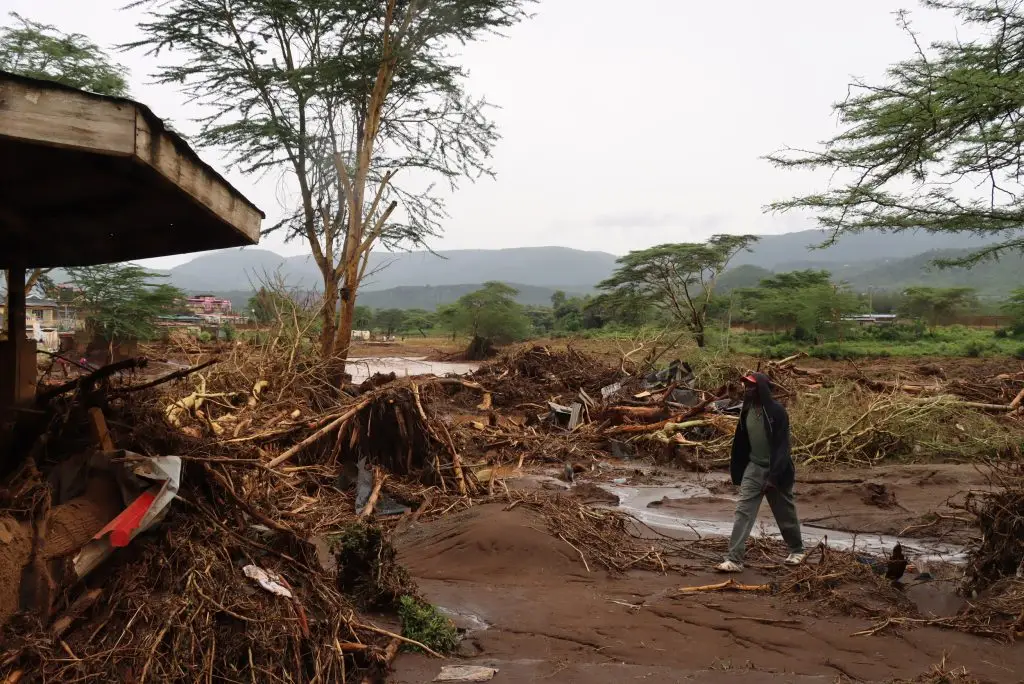
Destruction in the aftermath of devastating floods in Nairobi, Kenya in 2024 (c) Amref Health Africa/Linda Mwendwa Kariuki

Health & Climate Change

|

From Loss and Damage to Health and Justice

Read Article

Social Determinants of Health

|

Amref point of view: Africa’s Pivot Moment on NCDs

Read Article

Health Innovations

|

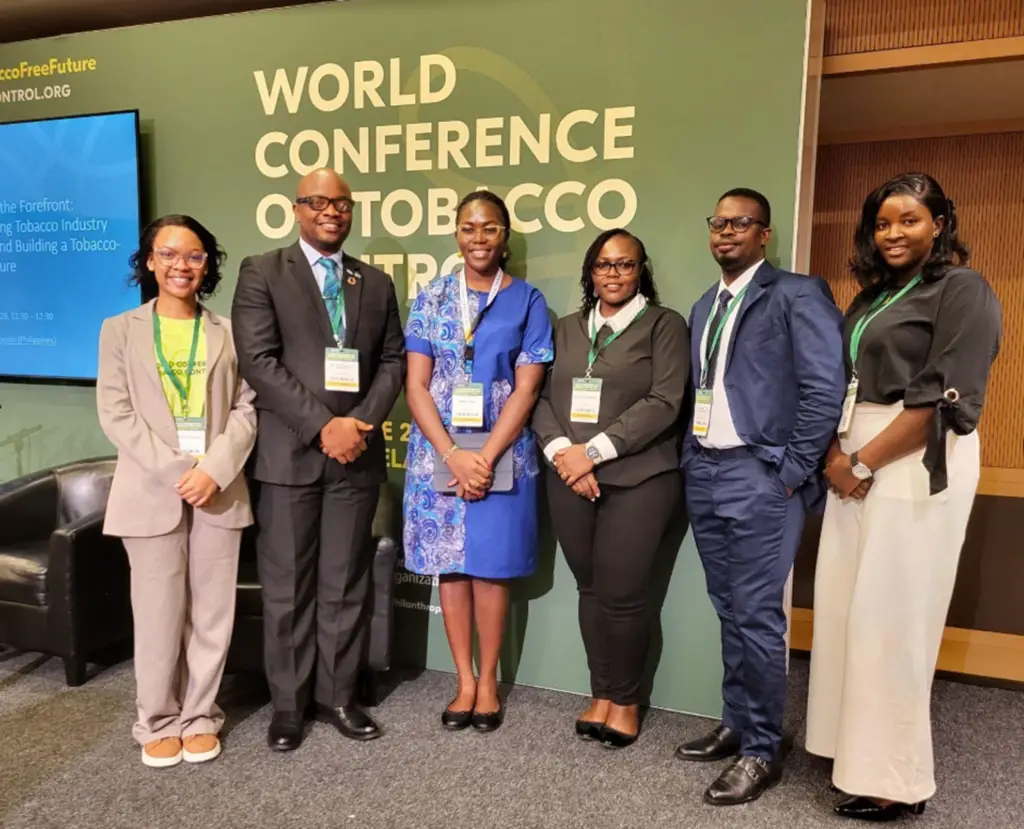
Youth for Tobacco-Free Futures

Read Article

Women & Girl’s Health

|

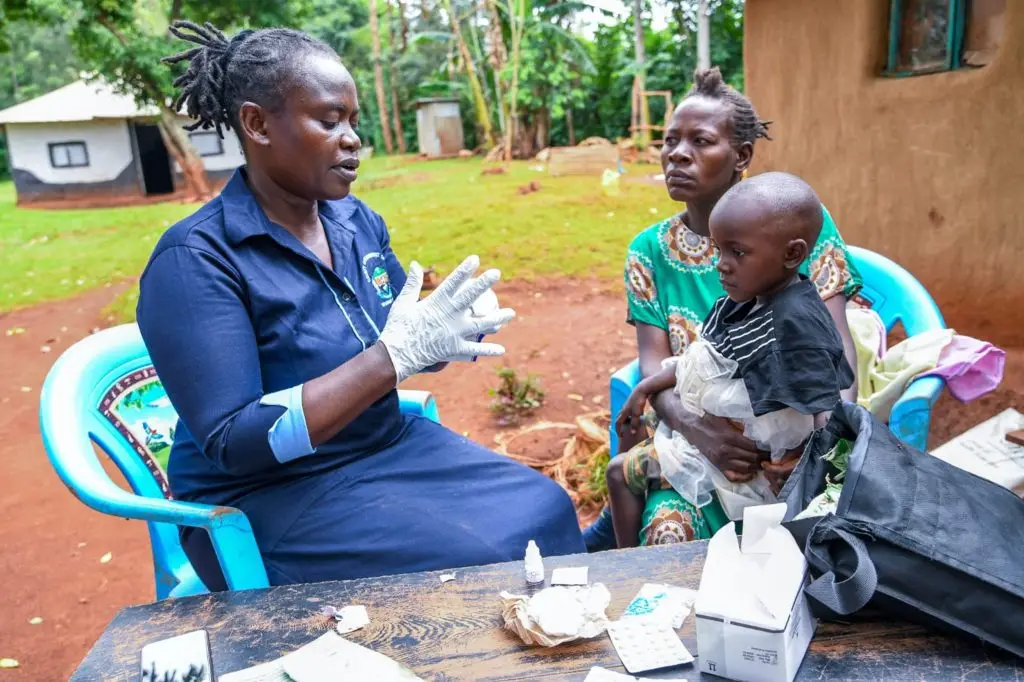
Knowledge + Skills = Power

Read Article

Amref Health Africa is Africa’s
leading health NGO, working with communities in 35
countries to secure the right to health and break the cycle of poverty.

Registered charity no. 261488 (England & Wales)
Company no. 00982544

Donate Now

Contact Us

Accessibility Statement

Privacy & Cookie Policy

Terms & Conditions

Get in touch

Canopi, 82 Tanner Street, London, SE1 3GN
020 7269 5520
info@amrefuk.org

Follow us on
Facebook Twitter Linkedin

© 2025 Amref Health Africa UK. All rights reserved.

#Kijana ChatBot

✕