Skip to content
Careers
Contact Us
  • Who We Are
    • About Amref Health Africa
    • Our Vision and Values
    • How we work
    • Our People
  • What We Do
    • Our Work
      • Water and Disease Prevention
      • Women and Girls
      • Health Worker Training
      • Health Innovations
      • Climate and Health
      • Social Determinants of Health
    • Where We Work
      • Across Africa
      • Amref in Ethiopia
      • Amref in Kenya
      • Amref in Malawi
      • Amref in South Sudan
      • Amref in Tanzania
      • Amref in Uganda
      • Amref in West Africa
      • Amref in Zambia
    • Our Impact
  • Newsroom
  • Get Involved
    • Donate
      • Make a Donation
      • Why donate to Amref?
    • Other ways to give
      • Gifts In Wills
      • Gifts in Celebration
      • Fundraise for Us
    • Other ways to support
      • Philanthropy
      • Corporate Partnerships
      • Trusts and Foundations
  • Who We Are
    • About Amref Health Africa
    • Our Vision and Values
    • How we work
    • Our People
  • What We Do
    • Our Work
      • Water and Disease Prevention
      • Women and Girls
      • Health Worker Training
      • Health Innovations
      • Climate and Health
      • Social Determinants of Health
    • Where We Work
      • Across Africa
      • Amref in Ethiopia
      • Amref in Kenya
      • Amref in Malawi
      • Amref in South Sudan
      • Amref in Tanzania
      • Amref in Uganda
      • Amref in West Africa
      • Amref in Zambia
    • Our Impact
  • Newsroom
  • Get Involved
    • Donate
      • Make a Donation
      • Why donate to Amref?
    • Other ways to give
      • Gifts In Wills
      • Gifts in Celebration
      • Fundraise for Us
    • Other ways to support
      • Philanthropy
      • Corporate Partnerships
      • Trusts and Foundations
Donate
Donate
  • Who We Are
    • About Amref Health Africa
    • Our Vision and Values
    • How we work
    • Our People
  • What We Do
    • Our Work
      • Water and Disease Prevention
      • Women and Girls
      • Health Worker Training
      • Health Innovations
      • Climate and Health
      • Social Determinants of Health
    • Where We Work
      • Across Africa
      • Amref in Ethiopia
      • Amref in Kenya
      • Amref in Malawi
      • Amref in South Sudan
      • Amref in Tanzania
      • Amref in Uganda
      • Amref in West Africa
      • Amref in Zambia
    • Our Impact
  • Newsroom
  • Get Involved
    • Donate
      • Make a Donation
      • Why donate to Amref?
    • Other ways to give
      • Gifts In Wills
      • Gifts in Celebration
      • Fundraise for Us
    • Other ways to support
      • Philanthropy
      • Corporate Partnerships
      • Trusts and Foundations
  • Who We Are
    • About Amref Health Africa
    • Our Vision and Values
    • How we work
    • Our People
  • What We Do
    • Our Work
      • Water and Disease Prevention
      • Women and Girls
      • Health Worker Training
      • Health Innovations
      • Climate and Health
      • Social Determinants of Health
    • Where We Work
      • Across Africa
      • Amref in Ethiopia
      • Amref in Kenya
      • Amref in Malawi
      • Amref in South Sudan
      • Amref in Tanzania
      • Amref in Uganda
      • Amref in West Africa
      • Amref in Zambia
    • Our Impact
  • Newsroom
  • Get Involved
    • Donate
      • Make a Donation
      • Why donate to Amref?
    • Other ways to give
      • Gifts In Wills
      • Gifts in Celebration
      • Fundraise for Us
    • Other ways to support
      • Philanthropy
      • Corporate Partnerships
      • Trusts and Foundations
Donate
  • Who We Are
    • About Amref Health Africa
    • Our Vision and Values
    • How we work
    • Our People
  • What We Do
    • Our Work
      • Water and Disease Prevention
      • Women and Girls
      • Health Worker Training
      • Health Innovations
      • Climate and Health
      • Social Determinants of Health
    • Where We Work
      • Across Africa
      • Amref in Ethiopia
      • Amref in Kenya
      • Amref in Malawi
      • Amref in South Sudan
      • Amref in Tanzania
      • Amref in Uganda
      • Amref in West Africa
      • Amref in Zambia
    • Our Impact
  • Newsroom
  • Get Involved
    • Donate
      • Make a Donation
      • Why donate to Amref?
    • Other ways to give
      • Gifts In Wills
      • Gifts in Celebration
      • Fundraise for Us
    • Other ways to support
      • Philanthropy
      • Corporate Partnerships
      • Trusts and Foundations
  • Who We Are
    • About Amref Health Africa
    • Our Vision and Values
    • How we work
    • Our People
  • What We Do
    • Our Work
      • Water and Disease Prevention
      • Women and Girls
      • Health Worker Training
      • Health Innovations
      • Climate and Health
      • Social Determinants of Health
    • Where We Work
      • Across Africa
      • Amref in Ethiopia
      • Amref in Kenya
      • Amref in Malawi
      • Amref in South Sudan
      • Amref in Tanzania
      • Amref in Uganda
      • Amref in West Africa
      • Amref in Zambia
    • Our Impact
  • Newsroom
  • Get Involved
    • Donate
      • Make a Donation
      • Why donate to Amref?
    • Other ways to give
      • Gifts In Wills
      • Gifts in Celebration
      • Fundraise for Us
    • Other ways to support
      • Philanthropy
      • Corporate Partnerships
      • Trusts and Foundations

Health Worker Training

Amref trains health workers at every level, from community health workers to nurses, midwives, and doctors. Skilled health workers are the engine of a strong health system. 

A stronger Africa is powered by people.

Every health worker can reach hundreds of people with quality health services. But in many African countries, there is a critical shortage of skilled health workers. This means that millions of people are forced to go without the care they need.

0 m

Health workers - the size of the shortage by 2030

0 %

Of the world’s health workforce is in Africa, but it carries about 25% of the global disease burden

0 %

Of community health workers are paid for their work – even though they are the backbone of the African health system

What does the health worker shortage mean for people in Africa?

For every missing health worker, there are hundreds of people forced to go without the health care they need. That could be emergency lifesaving care, treatment for infection, preventative care like getting a routine vaccination or reproductive health services.

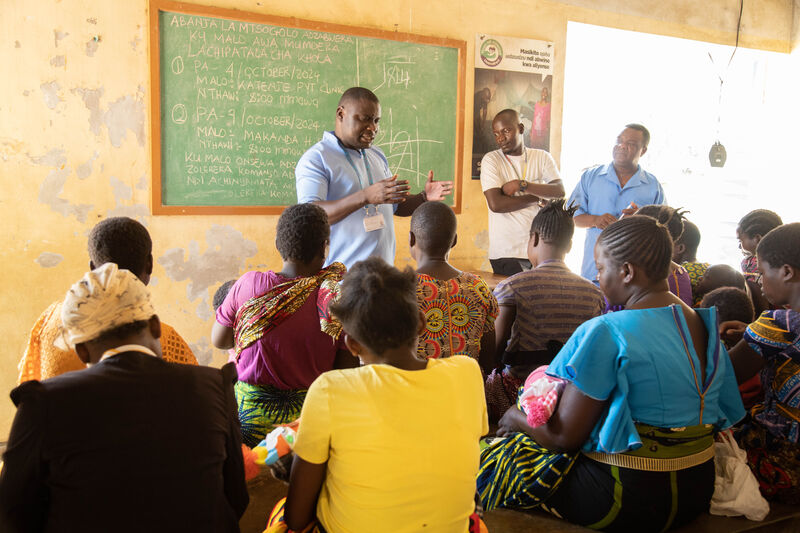
Fanizo Simenti, Community Health Worker, giving a health talk to women who have come for clinic service at Khola Health Centre in Kasungu © Amref Health Africa / Amaru Photography

Without these services, people risk serious complications, life-long consequences and death. Historic under-investment in health means that health workers are under extreme pressure. At the primary level of healthcare, where people first seek medical help at a local health clinic, this causes acute problems.

  • There are too few health workers at the clinic, many will not have up-to-date training, and most are not adequately paid for their critical roles.
  • Many clinics are not adequately equipped with medical tools to serve their community’s needs. Some may not even have stock of basic medication.
  • These difficult working conditions – such as power cuts during surgery, lack of personal protective equipment – can discourage people from entering the health workforce in the first place or lead them to leave.


COVID-19 and foreign aid cuts to global health have compounded these issues across Africa in recent years.

What is Amref doing to help?

There is an urgent need to strengthen Africa’s health workforce by training and supporting health workers across the continent.

Every year, Amref trains about 60,000 health workers to deliver quality healthcare.

Amref works to ensure that, in the countries where we operate, the health workforce is trained, equipped, supported, and remunerated for the work they do to serve their unique communities. With every additional trained health worker, we close the gap between people and the health services that they need.

We provide on-the-job training for community health workers.

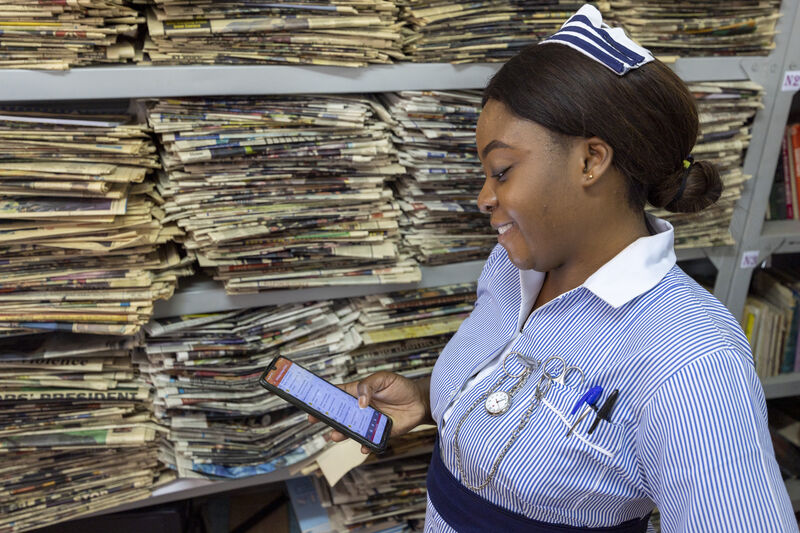
Leap is a basic phone mobile learning solution, delivering offline health training information. With Leap, Amref can train community health workers rapidly, and at scale. This allows community health workers to up-skill on the specific health challenges facing their communities so they can deliver tailored, quality care to the households they serve.

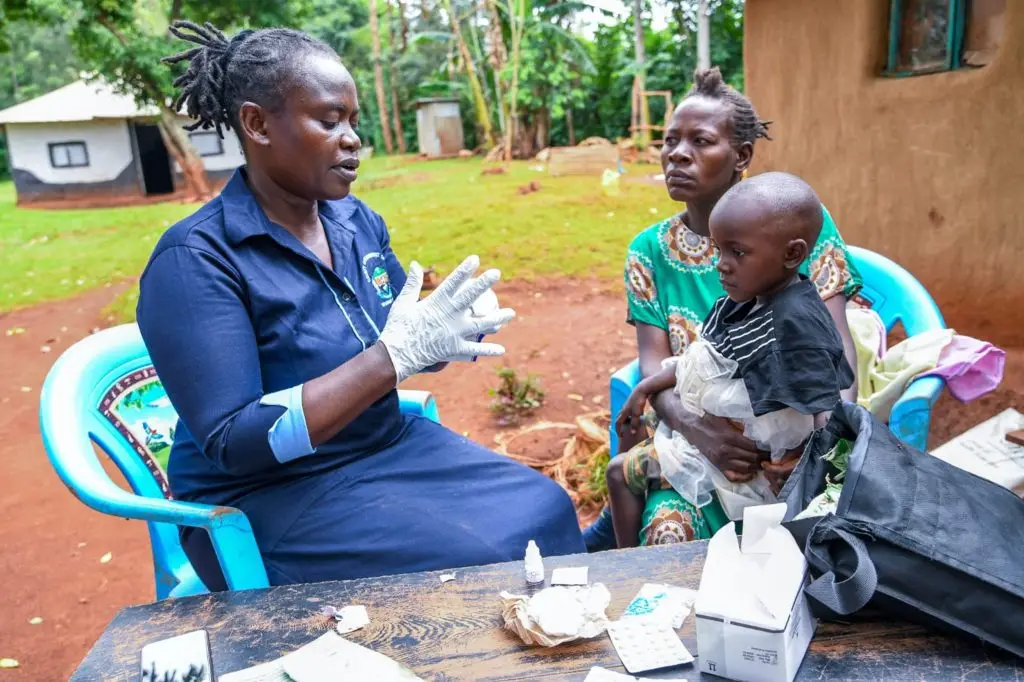
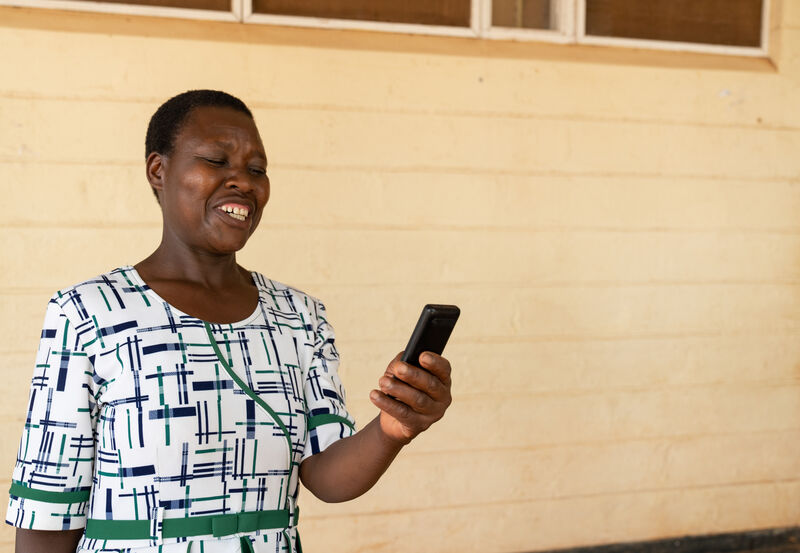
Community Health Worjer, Dorcas, in Kisii, Kenya. © Amref Health Africa / Steve Kagia

We provide specialist training to clinical officers, midwives, nurses and doctors.

Our Jibu digital learning platform allows health workers to gain new government-certified qualifications while working. With a wide range of courses to choose from, many co-developed and co-certified by national Ministries of Health, Jibu provides a training solution that does not take health workers away from communities and facilities, creating further shortages.

Sibusisiwe Munkonde is doing a Diploma in Nursing throug Jibu in Zambia. © Amref Health Africa / David Brazier

We help community health workers to gather household health data.

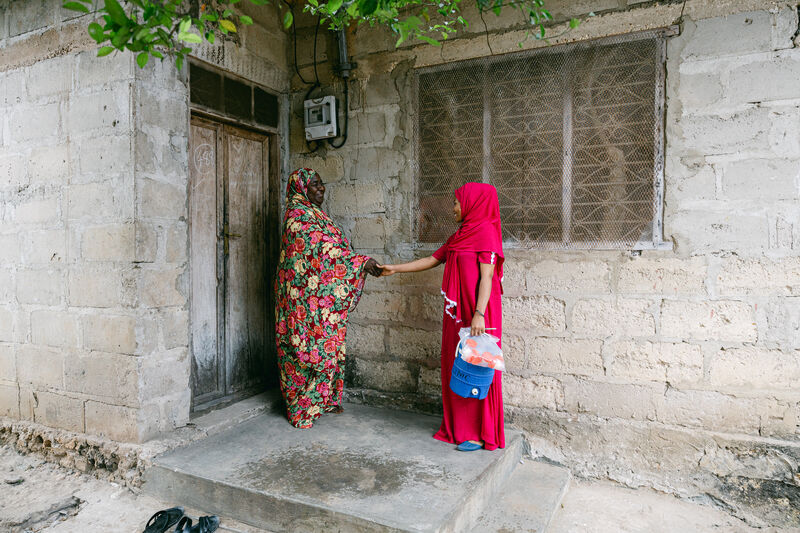
M-Jali is our bespoke tool for community health workers to gather and input health information about their communities. This integrates with District Health Information Software 2 (DHIS2) – a free and open-source health management data platform used by Governments worldwide as a reporting tool. This improves the accuracy of health data, meaning health leaders can make more informed decisions about where to prioritise their health workers and resources.

Magreth Peter (right), Amref community health worker meeting with Hawa Mohammed Ali (left) at her home in Zanzibar. © Amref Health Africa / Sam Vox

We operate a university, offering African health workers certificate, degree and professional development courses.

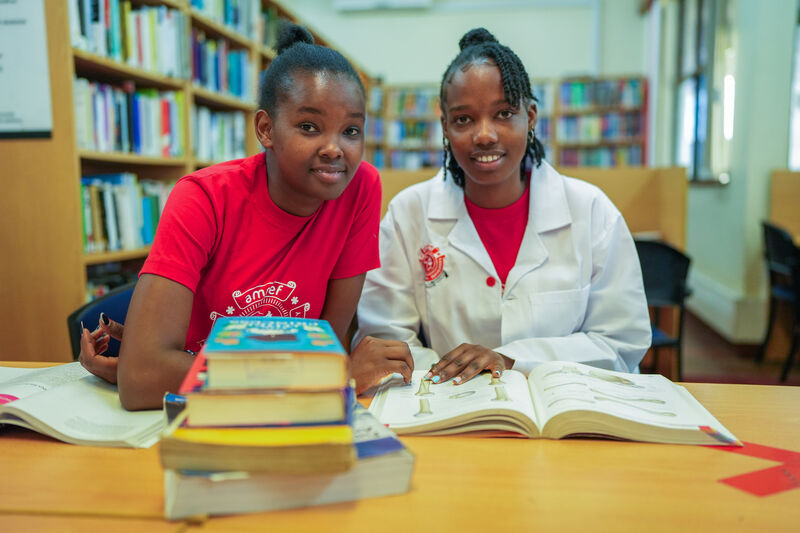
Amref International University (AMIU) has a main campus in Nairobi, Kenya, and offers online distance-learning courses as well as scholarships for marginalised students – helping to shape the African health workforce of the future. Over 80% of AMIU graduates choose to stay in Africa, dedicating their skills and knowledge to the communities that need them most.

AMIU Students (L-R) Naomi Sintamei and Gloria Khakai. © Amref Health Africa / Steve Kagia

We support health decision makers in governments – from county or district level, to national.

We provide training in leadership, management and governance to decision-makers in government health teams, whether responsible for district-level or national health decisions. These courses ensure that they are making smart and sustainable decisions on resource allocation and measurement. We also produce bespoke training courses for African representatives on health on the global stage, helping to advocate for increased investment in African health systems and health workers.

Local government malaria focal point training in Zambia. © Amref Health Africa in Zambia

We are training midwives to help South Sudan’s mothers

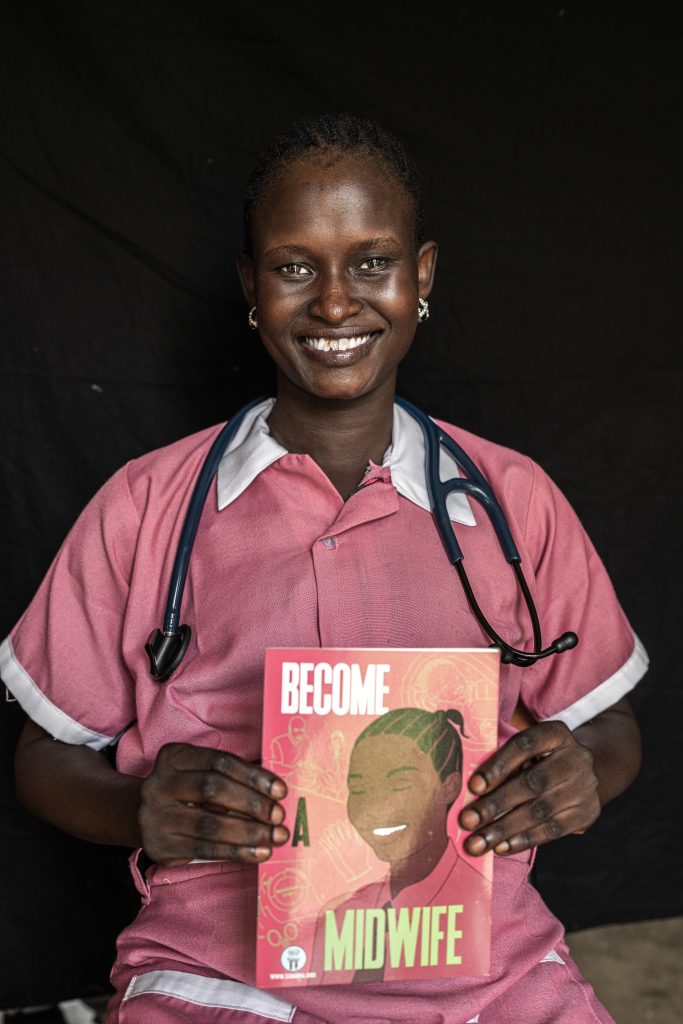
Amref International University Student, Victoria Agum. © Amref Health Africa / Steve Kagia

In South Sudan there are 3,000 midwives – only around 700 of which are fully-trained— for the entire 12m population. There are too few health clinics, meaning people must travel long distances to seek care, even in emergencies. Just 19% of births takes place with any skilled medical help. It has one of the world’s highest maternal death rates, and a worryingly high neonatal death rate.

Amref provides training to South Sudan’s midwives to ensure they are up to date with basic emergency obstetric care and supports new midwives to fully qualify at South Sudan’s only midwifery training institute.

Victoria Agum is one of those new midwives. She grew up in a deeply rural village in Tonj, in the north of the country. There, women simply cannot access trained medical help when they give birth. This experience spurred her interest in becoming a midwife but she couldn’t pay for her training. She applied to AMIU for a scholarship and was successful—she is now studying at Maridi Health Sciences Institute.
Healthcare icon 1

Newsroom: Latest Updates

Announcements, Uncategorised

|

Amid uncertainty, there is hope

Read Article
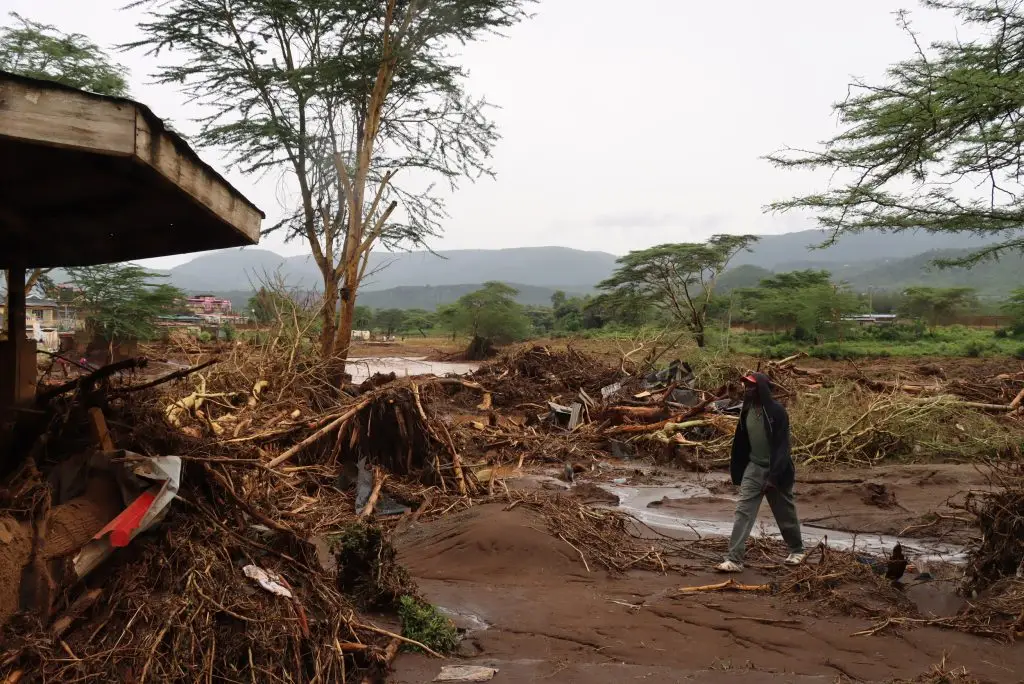
Destruction in the aftermath of devastating floods in Nairobi, Kenya in 2024 (c) Amref Health Africa/Linda Mwendwa Kariuki

Health & Climate Change

|

From Loss and Damage to Health and Justice

Read Article

Social Determinants of Health

|

Amref point of view: Africa’s Pivot Moment on NCDs

Read Article

Health Innovations

|

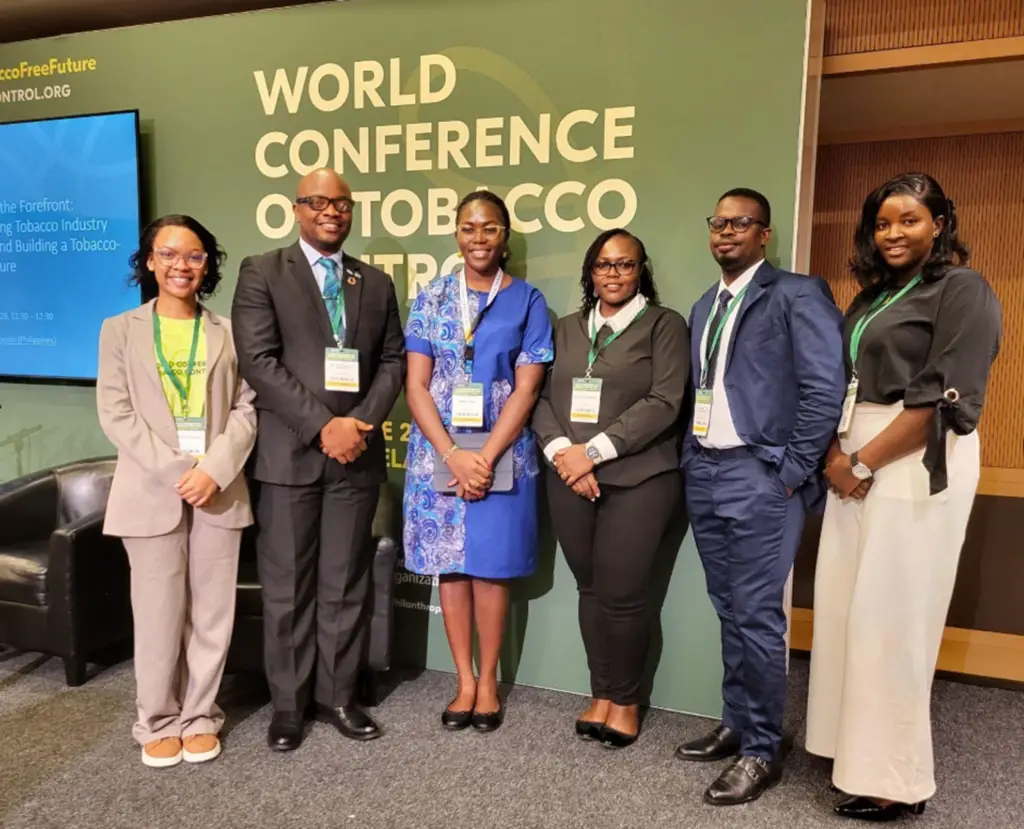
Youth for Tobacco-Free Futures

Read Article

Women & Girl’s Health

|

Knowledge + Skills = Power

Read Article

Amref Health Africa is Africa’s
leading health NGO, working with communities in 35
countries to secure the right to health and break the cycle of poverty.

Registered charity no. 261488 (England & Wales)
Company no. 00982544

Donate Now

Contact Us

Accessibility Statement

Privacy & Cookie Policy

Terms & Conditions

Get in touch

Canopi, 82 Tanner Street, London, SE1 3GN
020 7269 5520
info@amrefuk.org

Follow us on
Facebook Twitter Linkedin

© 2025 Amref Health Africa UK. All rights reserved.

#Kijana ChatBot

✕