Skip to content
Careers
Contact Us
  • Who We Are
    • About Amref Health Africa
    • Our Vision and Values
    • How we work
    • Our People
  • What We Do
    • Our Work
      • Water and Disease Prevention
      • Women and Girls
      • Health Worker Training
      • Health Innovations
      • Climate and Health
      • Social Determinants of Health
    • Where We Work
      • Across Africa
      • Amref in Ethiopia
      • Amref in Kenya
      • Amref in Malawi
      • Amref in South Sudan
      • Amref in Tanzania
      • Amref in Uganda
      • Amref in West Africa
      • Amref in Zambia
    • Our Impact
  • Newsroom
  • Get Involved
    • Donate
      • Make a Donation
      • Why donate to Amref?
    • Other ways to give
      • Gifts In Wills
      • Gifts in Celebration
      • Fundraise for Us
    • Other ways to support
      • Philanthropy
      • Corporate Partnerships
      • Trusts and Foundations
  • Who We Are
    • About Amref Health Africa
    • Our Vision and Values
    • How we work
    • Our People
  • What We Do
    • Our Work
      • Water and Disease Prevention
      • Women and Girls
      • Health Worker Training
      • Health Innovations
      • Climate and Health
      • Social Determinants of Health
    • Where We Work
      • Across Africa
      • Amref in Ethiopia
      • Amref in Kenya
      • Amref in Malawi
      • Amref in South Sudan
      • Amref in Tanzania
      • Amref in Uganda
      • Amref in West Africa
      • Amref in Zambia
    • Our Impact
  • Newsroom
  • Get Involved
    • Donate
      • Make a Donation
      • Why donate to Amref?
    • Other ways to give
      • Gifts In Wills
      • Gifts in Celebration
      • Fundraise for Us
    • Other ways to support
      • Philanthropy
      • Corporate Partnerships
      • Trusts and Foundations
Donate
Donate
  • Who We Are
    • About Amref Health Africa
    • Our Vision and Values
    • How we work
    • Our People
  • What We Do
    • Our Work
      • Water and Disease Prevention
      • Women and Girls
      • Health Worker Training
      • Health Innovations
      • Climate and Health
      • Social Determinants of Health
    • Where We Work
      • Across Africa
      • Amref in Ethiopia
      • Amref in Kenya
      • Amref in Malawi
      • Amref in South Sudan
      • Amref in Tanzania
      • Amref in Uganda
      • Amref in West Africa
      • Amref in Zambia
    • Our Impact
  • Newsroom
  • Get Involved
    • Donate
      • Make a Donation
      • Why donate to Amref?
    • Other ways to give
      • Gifts In Wills
      • Gifts in Celebration
      • Fundraise for Us
    • Other ways to support
      • Philanthropy
      • Corporate Partnerships
      • Trusts and Foundations
  • Who We Are
    • About Amref Health Africa
    • Our Vision and Values
    • How we work
    • Our People
  • What We Do
    • Our Work
      • Water and Disease Prevention
      • Women and Girls
      • Health Worker Training
      • Health Innovations
      • Climate and Health
      • Social Determinants of Health
    • Where We Work
      • Across Africa
      • Amref in Ethiopia
      • Amref in Kenya
      • Amref in Malawi
      • Amref in South Sudan
      • Amref in Tanzania
      • Amref in Uganda
      • Amref in West Africa
      • Amref in Zambia
    • Our Impact
  • Newsroom
  • Get Involved
    • Donate
      • Make a Donation
      • Why donate to Amref?
    • Other ways to give
      • Gifts In Wills
      • Gifts in Celebration
      • Fundraise for Us
    • Other ways to support
      • Philanthropy
      • Corporate Partnerships
      • Trusts and Foundations
Donate
  • Who We Are
    • About Amref Health Africa
    • Our Vision and Values
    • How we work
    • Our People
  • What We Do
    • Our Work
      • Water and Disease Prevention
      • Women and Girls
      • Health Worker Training
      • Health Innovations
      • Climate and Health
      • Social Determinants of Health
    • Where We Work
      • Across Africa
      • Amref in Ethiopia
      • Amref in Kenya
      • Amref in Malawi
      • Amref in South Sudan
      • Amref in Tanzania
      • Amref in Uganda
      • Amref in West Africa
      • Amref in Zambia
    • Our Impact
  • Newsroom
  • Get Involved
    • Donate
      • Make a Donation
      • Why donate to Amref?
    • Other ways to give
      • Gifts In Wills
      • Gifts in Celebration
      • Fundraise for Us
    • Other ways to support
      • Philanthropy
      • Corporate Partnerships
      • Trusts and Foundations
  • Who We Are
    • About Amref Health Africa
    • Our Vision and Values
    • How we work
    • Our People
  • What We Do
    • Our Work
      • Water and Disease Prevention
      • Women and Girls
      • Health Worker Training
      • Health Innovations
      • Climate and Health
      • Social Determinants of Health
    • Where We Work
      • Across Africa
      • Amref in Ethiopia
      • Amref in Kenya
      • Amref in Malawi
      • Amref in South Sudan
      • Amref in Tanzania
      • Amref in Uganda
      • Amref in West Africa
      • Amref in Zambia
    • Our Impact
  • Newsroom
  • Get Involved
    • Donate
      • Make a Donation
      • Why donate to Amref?
    • Other ways to give
      • Gifts In Wills
      • Gifts in Celebration
      • Fundraise for Us
    • Other ways to support
      • Philanthropy
      • Corporate Partnerships
      • Trusts and Foundations

Social Determinants of Health

How Amref is working to address the factors that influence good health and well-being. 

Addressing the roots of health—education, equity, and opportunity—for a stronger Africa.

About 80% of healthcare is provided at the primary level – seeing a doctor or nurse in a health clinic, or in a village outreach, or over the phone. It is crucial that this is accessible to everyone.

Yet, 80% of what makes up someone’s health is determined by what happens outside of the hospital and health clinic. Around half of this is due to wealth, gender, income, job status, or family support. Other factors are due to health behaviours like smoking, drinking alcohol, diet and exercise. Or, access to quality healthcare, education, and cleanliness of your environment eg how polluted is the air you breathe. These are the social determinants of health—the missing link between clinical care and stronger health systems.

0 m

Africans have no access to any form of modern energy.

>1/5

Of children aged 6-11 are out of school.

0 %

Of young women in sub-Saharan Africa complete secondary education.

3/4

Of the population in East Africa cannot afford a healthy diet.

What are the factors affecting health in Africa?

Hear more from our CEO Dr Githinji Gitahi

What is Amref doing to help?

Amref exists to bring about lasting health change in Africa. To realise this vision, and to achieve the Sustainable Development Goal 3 – Good Health and Wellbeing, we invest in building systems that deliver primary healthcare and address the social determinants of health.

Our approach sees a person, and a community, in the context of their everyday life including all their different roles and relationships. In this way, we can fully respond to their health needs and challenges.

Clean cooking fuel, sustainable livelihoods, reducing pollution, decreasing disease.

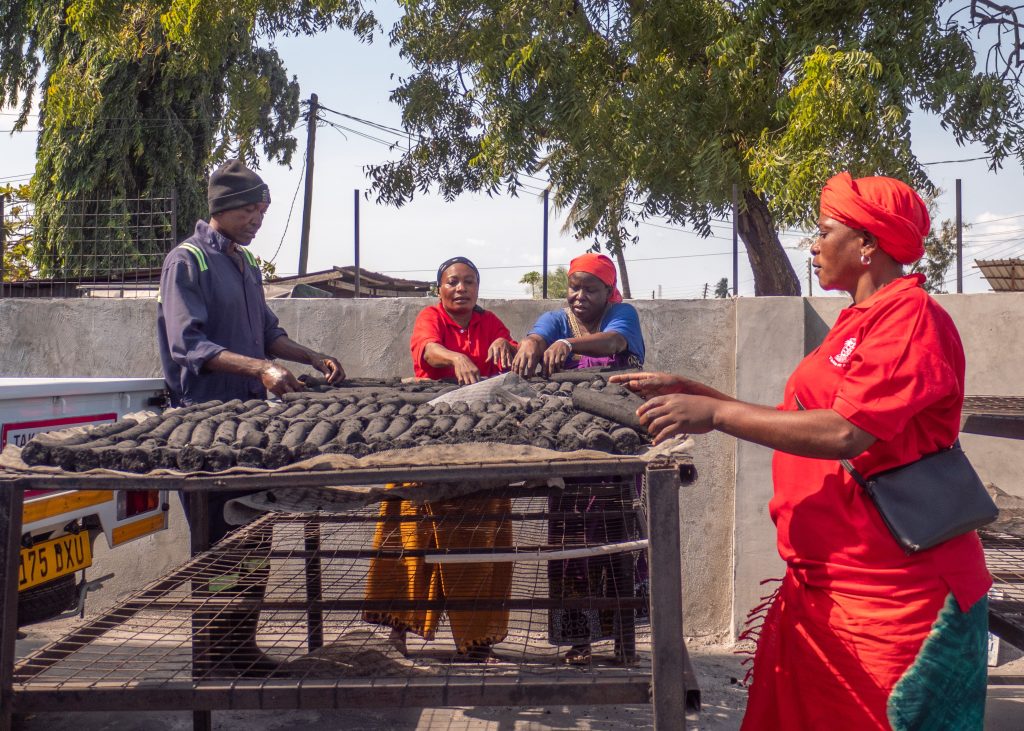
In Dar-es-Salaam, Tanzania, we helped to set up and train community waste-gathering groups on briquette-making. These emit 66% less smoke and save trees being felled to make charcoal, protecting the natural environment. Cleaning up the streets reduced cholera cases in one community by 80% over two years. And it increased women and youth employment by 60%. The project is now entirely community-run and self-sustaining.

Members of The Kigailagila Rafiki Mazingira Group sorting through waste-material produced briquettes. © Amref Health Africa in Tanzania

We use the One Health approach when addressing climate x health issues.

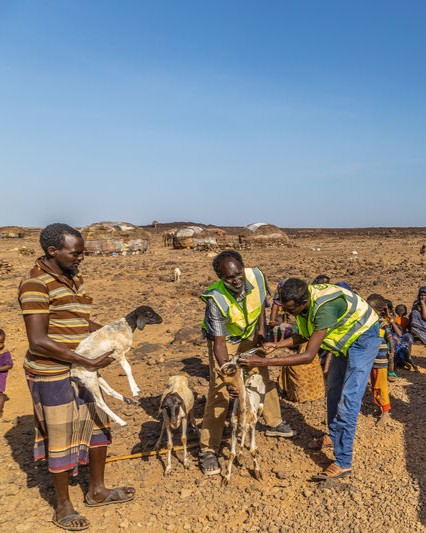
The One Health approach recognises that human, animal and environmental health are all connected. One Health activities integrate all three of these elements to address health challenges in our programmes. We are also working at the regional and global level to ensure health is central to the climate discussion.

Click here to read more about our work on Climate x Health.
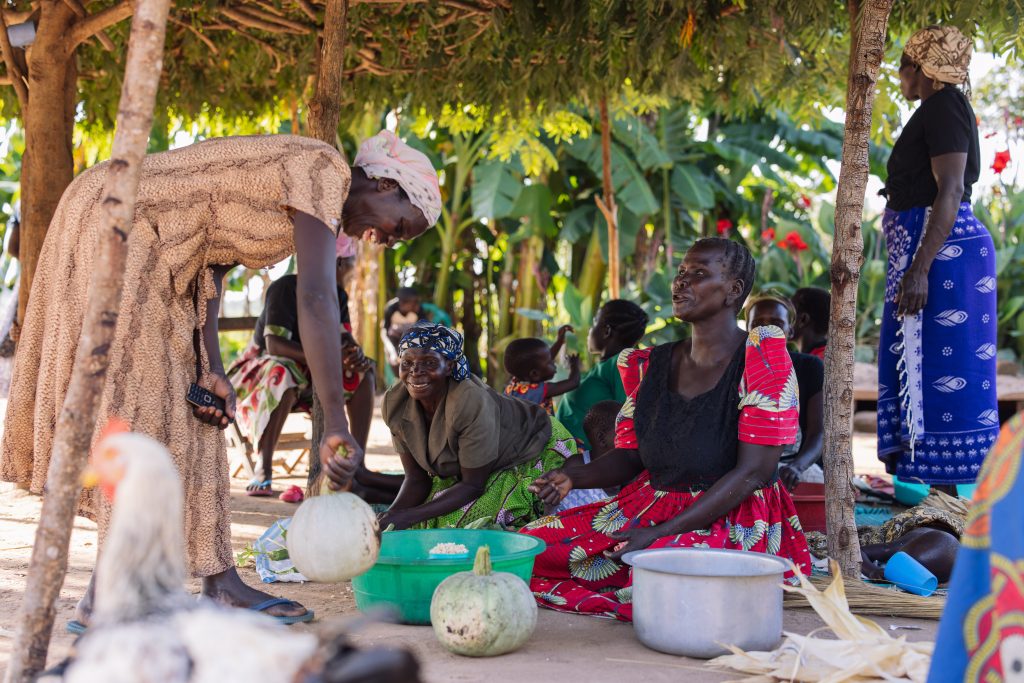
Members of the womens group reenact a market scene in Uderu Village in Pachara Sub County, Adjumani. © Amref Health Africa / Sarah Waiiswa
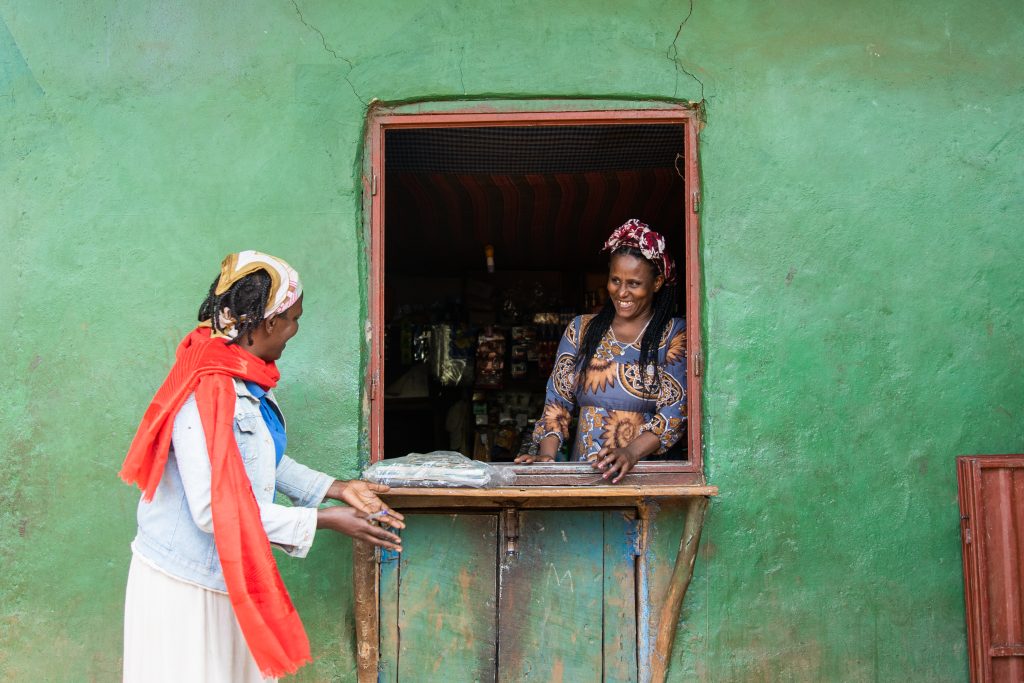
Adanech Mogisomoja, member of the Pultwa (meaning spring of water) women economic group, in her shop, in Bayewede Kebele, Wolaita, Southern Ethiopia. © Amref Health Africa / Genaye Eshetu

We include entrepreneurship training in our programmes to help vulnerable people build new livelihoods to support themselves when they are set back by health issues.

This training is particularly impactful for vulnerable women. These include fistula survivors who were shunned from their communities or teenage mothers forced to drop out of school. In Dar-es-Salaam integrating entrepreneurship training helped waste-collecting women make and sell other products from plastic, growing their average income by 198%. Livelihoods help them to support themselves, regain a sense of dignity and respect, and contribute to family income and wellbeing.

Reaching the last mile on chronic disease care

A One Health Unit community outreach in Balsea, Marsabit County, Kenya. © Amref Health Africa / Tony Wild

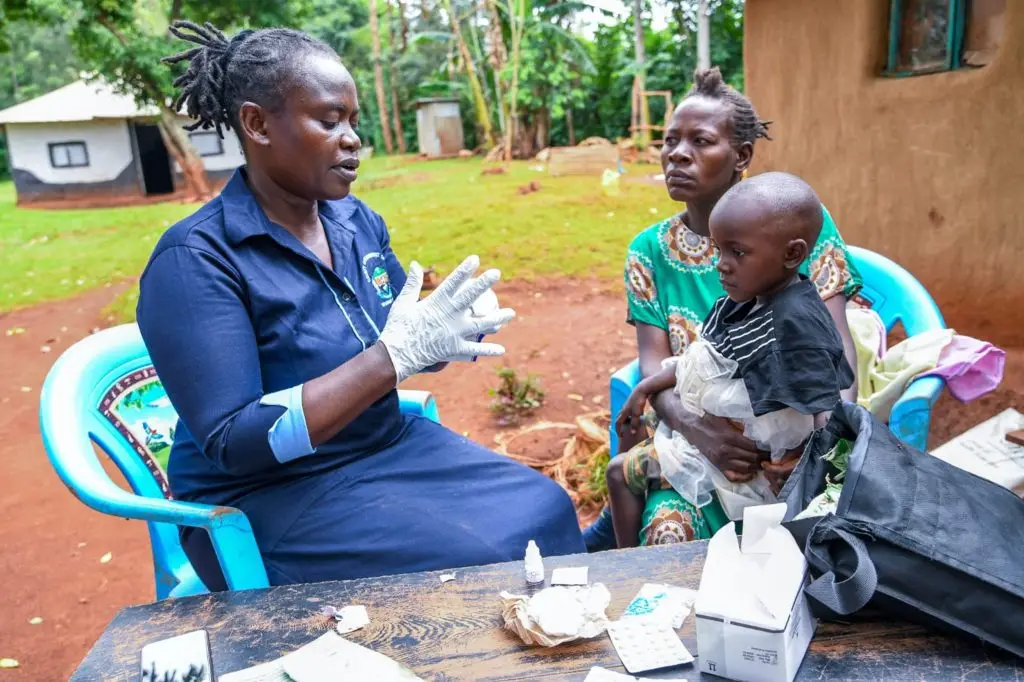
Amref’s mobile clinics are bringing vaccines and vital health services to people in communities with no access to care.

Initially engaged in Amref’s COVID-19 vaccination efforts, they are now the frontline for tackling another major health challenge in Kenya: the rise of chronic health conditions like diabetes, high blood pressure, asthma, and cancer.

Cases of Type 2 diabetes in sub-Saharan Africa have increased by 490% between 1980 and 2021. Without effective interventions, by 2045 there is projected to be 54·9m people living with Type 2 diabetes in the region.

Currently, in some regions in Africa, only 5-10% of people living with diabetes are getting the treatment they need.

Amref’s mobile clinics are bringing health workers, information and tools that can prevent, detect and treat diabetes and other non-communicable diseases to people for whom other health services are sometimes a day’s journey away.
Learn more about our NCD mobile clinics

Watch: NCD mobile clinics

Header image: A portrait of Judith Kinunde a member of the Sanitation Club of St.Peter and Paul Primary School, Bunyangabu District, Western Uganda. The sanitation club’s role is to educate fellow pupils about hygiene and sanitation within the school. © Amref Health Africa / Ambrose Watanda

Newsroom: Latest Updates

Announcements, Uncategorised

|

Amid uncertainty, there is hope

Read Article
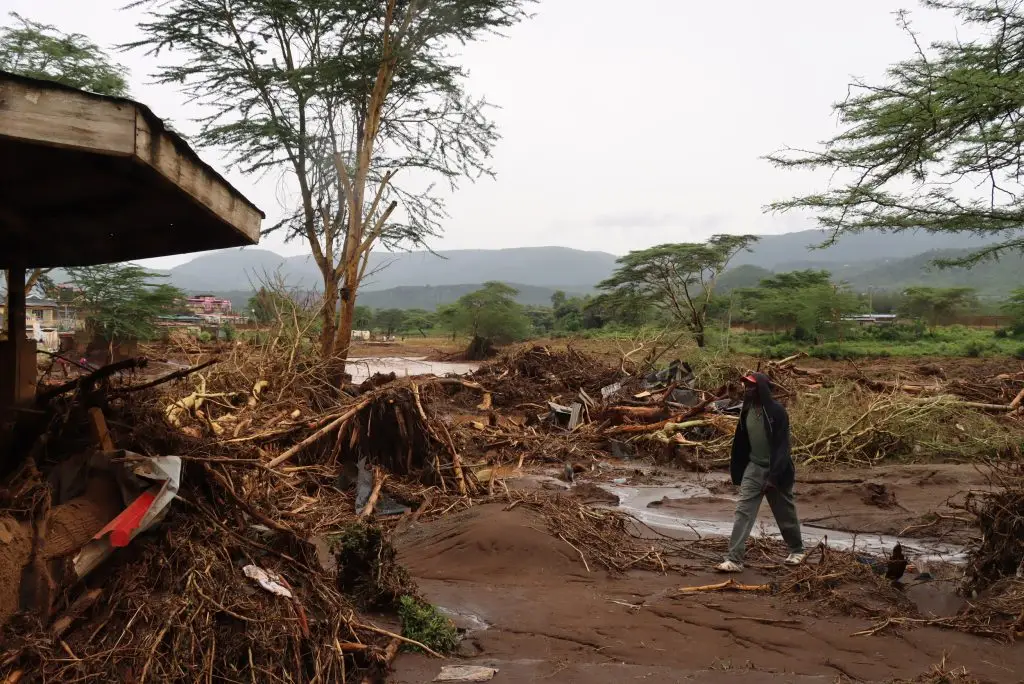
Destruction in the aftermath of devastating floods in Nairobi, Kenya in 2024 (c) Amref Health Africa/Linda Mwendwa Kariuki

Health & Climate Change

|

From Loss and Damage to Health and Justice

Read Article

Social Determinants of Health

|

Amref point of view: Africa’s Pivot Moment on NCDs

Read Article

Health Innovations

|

Youth for Tobacco-Free Futures

Read Article

Women & Girl’s Health

|

Knowledge + Skills = Power

Read Article

Amref Health Africa is Africa’s
leading health NGO, working with communities in 35
countries to secure the right to health and break the cycle of poverty.

Registered charity no. 261488 (England & Wales)
Company no. 00982544

Donate Now

Contact Us

Accessibility Statement

Privacy & Cookie Policy

Terms & Conditions

Get in touch

Canopi, 82 Tanner Street, London, SE1 3GN
020 7269 5520
info@amrefuk.org

Follow us on
Facebook Twitter Linkedin

© 2025 Amref Health Africa UK. All rights reserved.

#Kijana ChatBot

✕