Skip to content
Careers
Contact Us
  • Who We Are
    • About Amref Health Africa
    • Our Vision and Values
    • How we work
    • Our People
  • What We Do
    • Our Work
      • Water and Disease Prevention
      • Women and Girls
      • Health Worker Training
      • Health Innovations
      • Climate and Health
      • Social Determinants of Health
    • Where We Work
      • Across Africa
      • Amref in Ethiopia
      • Amref in Kenya
      • Amref in Malawi
      • Amref in South Sudan
      • Amref in Tanzania
      • Amref in Uganda
      • Amref in West Africa
      • Amref in Zambia
    • Our Impact
  • Newsroom
  • Get Involved
    • Donate
      • Make a Donation
      • Why donate to Amref?
    • Other ways to give
      • Gifts In Wills
      • Gifts in Celebration
      • Fundraise for Us
    • Other ways to support
      • Philanthropy
      • Corporate Partnerships
      • Trusts and Foundations
  • Who We Are
    • About Amref Health Africa
    • Our Vision and Values
    • How we work
    • Our People
  • What We Do
    • Our Work
      • Water and Disease Prevention
      • Women and Girls
      • Health Worker Training
      • Health Innovations
      • Climate and Health
      • Social Determinants of Health
    • Where We Work
      • Across Africa
      • Amref in Ethiopia
      • Amref in Kenya
      • Amref in Malawi
      • Amref in South Sudan
      • Amref in Tanzania
      • Amref in Uganda
      • Amref in West Africa
      • Amref in Zambia
    • Our Impact
  • Newsroom
  • Get Involved
    • Donate
      • Make a Donation
      • Why donate to Amref?
    • Other ways to give
      • Gifts In Wills
      • Gifts in Celebration
      • Fundraise for Us
    • Other ways to support
      • Philanthropy
      • Corporate Partnerships
      • Trusts and Foundations
Donate
Donate
  • Who We Are
    • About Amref Health Africa
    • Our Vision and Values
    • How we work
    • Our People
  • What We Do
    • Our Work
      • Water and Disease Prevention
      • Women and Girls
      • Health Worker Training
      • Health Innovations
      • Climate and Health
      • Social Determinants of Health
    • Where We Work
      • Across Africa
      • Amref in Ethiopia
      • Amref in Kenya
      • Amref in Malawi
      • Amref in South Sudan
      • Amref in Tanzania
      • Amref in Uganda
      • Amref in West Africa
      • Amref in Zambia
    • Our Impact
  • Newsroom
  • Get Involved
    • Donate
      • Make a Donation
      • Why donate to Amref?
    • Other ways to give
      • Gifts In Wills
      • Gifts in Celebration
      • Fundraise for Us
    • Other ways to support
      • Philanthropy
      • Corporate Partnerships
      • Trusts and Foundations
  • Who We Are
    • About Amref Health Africa
    • Our Vision and Values
    • How we work
    • Our People
  • What We Do
    • Our Work
      • Water and Disease Prevention
      • Women and Girls
      • Health Worker Training
      • Health Innovations
      • Climate and Health
      • Social Determinants of Health
    • Where We Work
      • Across Africa
      • Amref in Ethiopia
      • Amref in Kenya
      • Amref in Malawi
      • Amref in South Sudan
      • Amref in Tanzania
      • Amref in Uganda
      • Amref in West Africa
      • Amref in Zambia
    • Our Impact
  • Newsroom
  • Get Involved
    • Donate
      • Make a Donation
      • Why donate to Amref?
    • Other ways to give
      • Gifts In Wills
      • Gifts in Celebration
      • Fundraise for Us
    • Other ways to support
      • Philanthropy
      • Corporate Partnerships
      • Trusts and Foundations
Donate
  • Who We Are
    • About Amref Health Africa
    • Our Vision and Values
    • How we work
    • Our People
  • What We Do
    • Our Work
      • Water and Disease Prevention
      • Women and Girls
      • Health Worker Training
      • Health Innovations
      • Climate and Health
      • Social Determinants of Health
    • Where We Work
      • Across Africa
      • Amref in Ethiopia
      • Amref in Kenya
      • Amref in Malawi
      • Amref in South Sudan
      • Amref in Tanzania
      • Amref in Uganda
      • Amref in West Africa
      • Amref in Zambia
    • Our Impact
  • Newsroom
  • Get Involved
    • Donate
      • Make a Donation
      • Why donate to Amref?
    • Other ways to give
      • Gifts In Wills
      • Gifts in Celebration
      • Fundraise for Us
    • Other ways to support
      • Philanthropy
      • Corporate Partnerships
      • Trusts and Foundations
  • Who We Are
    • About Amref Health Africa
    • Our Vision and Values
    • How we work
    • Our People
  • What We Do
    • Our Work
      • Water and Disease Prevention
      • Women and Girls
      • Health Worker Training
      • Health Innovations
      • Climate and Health
      • Social Determinants of Health
    • Where We Work
      • Across Africa
      • Amref in Ethiopia
      • Amref in Kenya
      • Amref in Malawi
      • Amref in South Sudan
      • Amref in Tanzania
      • Amref in Uganda
      • Amref in West Africa
      • Amref in Zambia
    • Our Impact
  • Newsroom
  • Get Involved
    • Donate
      • Make a Donation
      • Why donate to Amref?
    • Other ways to give
      • Gifts In Wills
      • Gifts in Celebration
      • Fundraise for Us
    • Other ways to support
      • Philanthropy
      • Corporate Partnerships
      • Trusts and Foundations

March 3, 2025

Africa must take ownership of its health future

Picture of Hope Ahipeaud

Hope Ahipeaud

Connection is key to bring about lasting health change for Africa.

The Africa Health Agenda International Conference (AHAIC) 2025 commenced with a powerful call to action, urging African nations to unite in strengthening health systems amid growing challenges.

African and global health leaders underscored the urgency of tackling pandemics, climate-driven health threats, and declining health aid through homegrown solutions and strategic investments.

Jointly convened by Amref Health Africa, the Ministry of Health Rwanda, WHO Regional Office for Africa, and Africa Centres for Disease Control and Prevention (Africa CDC), AHAIC 2025 comes at a defining moment for Africa’s health future.

Healthcare systems are stretched by recent mpox and Marburg outbreaks, increasing climate-related diseases, and dwindling international health aid. The conference—which runs from 2-5 March, under the theme “Connected for Change: Addressing Socio-Ecological Dynamics of Health”—serves as a pivotal platform to drive African-led health solutions and forge sustainable partnerships.

"Africa must take ownership of its healthcare future. Reducing dependency on external aid requires strengthening local healthcare capacity—not just focusing on how much funding we receive, but on how efficiently we use resources to improve health outcomes."

Dr Sabin Nsanzimana, Minister of Health, Rwanda
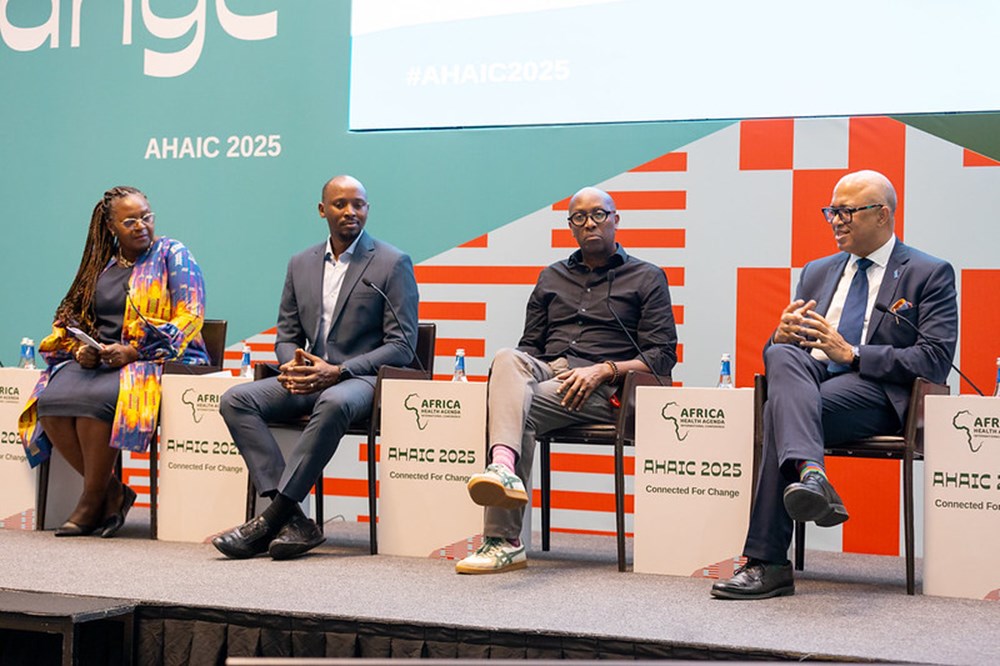
(L-R) Dr Claudia Shilumani, Dr Sabin Nsanzimana, Dr Githinji Gitahi, Dr Chikwe Ihekweazu

Dr. Sabin Nsanzimana, Minister of Health, Rwanda, reaffirmed Rwanda’s commitment to building a resilient and sustainable healthcare system, emphasizing that health is a foundation for national development.

He emphasised the role of innovation, AI, and digital health solutions in building resilient, high-quality, and accessible healthcare systems. Rwanda continues to invest in health infrastructure, technology, and strategic partnerships to drive self-sufficiency and efficiency.

“By prioritizing homegrown solutions, strengthening innovation, and taking ownership of our health systems, Africa can secure a healthier and more sustainable future for all,” he concluded.

"We need to map funding gaps and work closely with African governments to find sustainable solutions. The focus must shift toward internally driven strategies while remaining open to strategic collaborations."

Dr Chikwe Ihekweazu, Acting WHO Regional Director for Africa

Dr. Chikwe Ihekweazu, Acting WHO Regional Director for Africa, reinforced WHO’s commitment to working alongside African governments to address funding gaps, especially in areas previously supported by USAID and other donors, including the UK’s FCDO.

He highlighted Rwanda as a model for strong domestic health financing, calling for greater investment in health systems and leveraging private-sector expertise to complement public healthcare efforts.

“With strategic investment and governance, African nations can fund their health priorities effectively. This means prioritizing internal revenue generation for healthcare, reducing out-of-pocket costs, and expanding universal healthcare coverage.”

"If we prioritise self-sufficiency in healthcare—developing, producing, and distributing our own vaccines, medicines, and medical technologies—the centre will hold. We must also invest in a robust African health workforce to drive this vision forward."

Dr. Claudia Shilumani, the Director of External Relations and Strategic Management at Africa CDC

Dr. Claudia Shilumani, the Director of External Relations and Strategic Management at Africa CDC boldly called on Africa to assert its health sovereignty, emphasising that self-sufficiency is key to securing the continent’s health future.

Dr. Shilumani lauded Rwanda’s leadership in exploring internal health financing solutions, marking a major step toward reducing dependence on foreign aid.

“Africa must lead its own health agenda by investing in homegrown solutions, domestic resource mobilisation, and innovative public-private partnerships.”

"For decades, we have called for prioritizing primary healthcare, as outlined in the 1978 Alma-Ata Declaration. Yet, we continue to mop the floor instead of fixing the leaking tap. If we want sustainable health systems, we must redirect investments to PHC, where 80% of our people seek care."

Dr Githinji Gitahi, Amref Health Africa Group CEO

Dr. Githinji Gitahi, Group CEO, Amref Health Africa, urged African leaders and global stakeholders to rethink health investments to build resilient and sustainable health systems.

He emphasised that Africa’s economic and population growth challenges are deeply linked to healthcare financing.

“Sub-Saharan Africa is facing an economic crisis, and the lack of fiscal space is a major issue. Investing in health must be tied to population development, ensuring that every girl and woman has the right to make informed reproductive health choices.”

Dr. Gitahi stressed the need to shift investments toward Primary Health Care (PHC), warning that disproportionate funding for tertiary care leaves millions without access to essential services.

He called for a bold policy shift to address fundamental health determinants, such as clean water, sanitation, food security, and immunisation:

“By ensuring access to clean water, improved sanitation, and proper nutrition, we build sustainable systems that can withstand shocks and drive Africa’s socio-economic growth.”

For more news from AHAIC 2025, click here.
Related Articles

Announcements, Uncategorised

|

Amid uncertainty, there is hope

Read Article
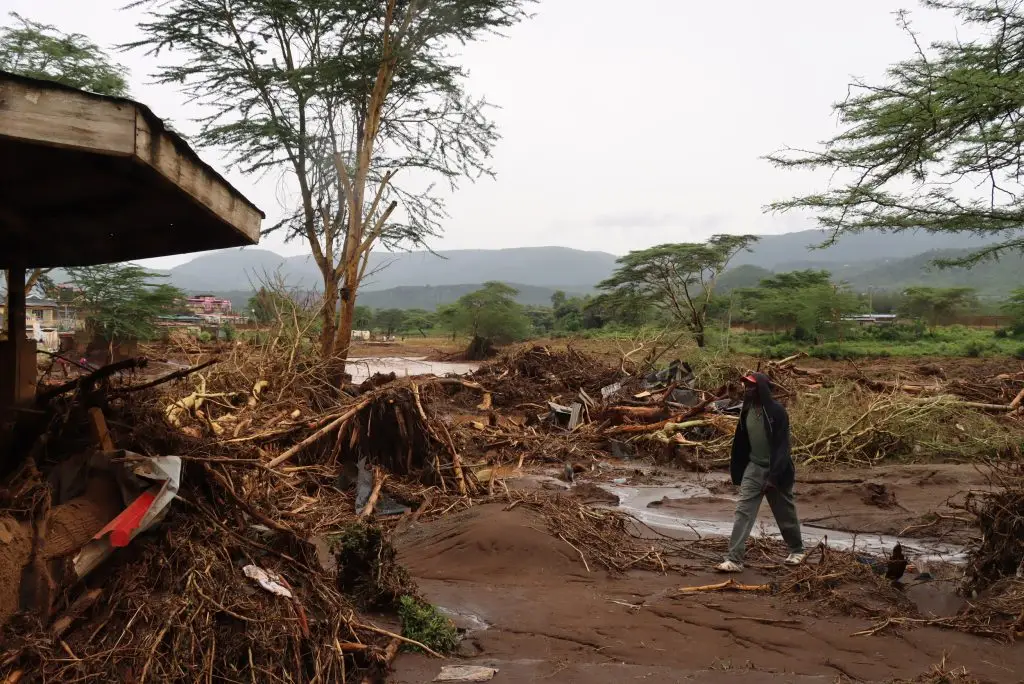
Destruction in the aftermath of devastating floods in Nairobi, Kenya in 2024 (c) Amref Health Africa/Linda Mwendwa Kariuki

Health & Climate Change

|

From Loss and Damage to Health and Justice

Read Article

Social Determinants of Health

|

Amref point of view: Africa’s Pivot Moment on NCDs

Read Article

Health Innovations

|

Youth for Tobacco-Free Futures

Read Article

Women & Girl’s Health

|

Knowledge + Skills = Power

Read Article

Amref Health Africa is Africa’s
leading health NGO, working with communities in 35
countries to secure the right to health and break the cycle of poverty.

Registered charity no. 261488 (England & Wales)
Company no. 00982544

Donate Now

Contact Us

Accessibility Statement

Privacy & Cookie Policy

Terms & Conditions

Get in touch

Canopi, 82 Tanner Street, London, SE1 3GN
020 7269 5520
info@amrefuk.org

Follow us on
Facebook Twitter Linkedin

© 2025 Amref Health Africa UK. All rights reserved.

#Kijana ChatBot

✕