Skip to content
Careers
Contact Us
  • Who We Are
    • About Amref Health Africa
    • Our Vision and Values
    • How we work
    • Our People
  • What We Do
    • Our Work
      • Water and Disease Prevention
      • Women and Girls
      • Health Worker Training
      • Health Innovations
      • Climate and Health
      • Social Determinants of Health
    • Where We Work
      • Across Africa
      • Amref in Ethiopia
      • Amref in Kenya
      • Amref in Malawi
      • Amref in South Sudan
      • Amref in Tanzania
      • Amref in Uganda
      • Amref in West Africa
      • Amref in Zambia
    • Our Impact
  • Newsroom
  • Get Involved
    • Donate
      • Make a Donation
      • Why donate to Amref?
    • Other ways to give
      • Gifts In Wills
      • Gifts in Celebration
      • Fundraise for Us
    • Other ways to support
      • Philanthropy
      • Corporate Partnerships
      • Trusts and Foundations
  • Who We Are
    • About Amref Health Africa
    • Our Vision and Values
    • How we work
    • Our People
  • What We Do
    • Our Work
      • Water and Disease Prevention
      • Women and Girls
      • Health Worker Training
      • Health Innovations
      • Climate and Health
      • Social Determinants of Health
    • Where We Work
      • Across Africa
      • Amref in Ethiopia
      • Amref in Kenya
      • Amref in Malawi
      • Amref in South Sudan
      • Amref in Tanzania
      • Amref in Uganda
      • Amref in West Africa
      • Amref in Zambia
    • Our Impact
  • Newsroom
  • Get Involved
    • Donate
      • Make a Donation
      • Why donate to Amref?
    • Other ways to give
      • Gifts In Wills
      • Gifts in Celebration
      • Fundraise for Us
    • Other ways to support
      • Philanthropy
      • Corporate Partnerships
      • Trusts and Foundations
Donate
Donate
  • Who We Are
    • About Amref Health Africa
    • Our Vision and Values
    • How we work
    • Our People
  • What We Do
    • Our Work
      • Water and Disease Prevention
      • Women and Girls
      • Health Worker Training
      • Health Innovations
      • Climate and Health
      • Social Determinants of Health
    • Where We Work
      • Across Africa
      • Amref in Ethiopia
      • Amref in Kenya
      • Amref in Malawi
      • Amref in South Sudan
      • Amref in Tanzania
      • Amref in Uganda
      • Amref in West Africa
      • Amref in Zambia
    • Our Impact
  • Newsroom
  • Get Involved
    • Donate
      • Make a Donation
      • Why donate to Amref?
    • Other ways to give
      • Gifts In Wills
      • Gifts in Celebration
      • Fundraise for Us
    • Other ways to support
      • Philanthropy
      • Corporate Partnerships
      • Trusts and Foundations
  • Who We Are
    • About Amref Health Africa
    • Our Vision and Values
    • How we work
    • Our People
  • What We Do
    • Our Work
      • Water and Disease Prevention
      • Women and Girls
      • Health Worker Training
      • Health Innovations
      • Climate and Health
      • Social Determinants of Health
    • Where We Work
      • Across Africa
      • Amref in Ethiopia
      • Amref in Kenya
      • Amref in Malawi
      • Amref in South Sudan
      • Amref in Tanzania
      • Amref in Uganda
      • Amref in West Africa
      • Amref in Zambia
    • Our Impact
  • Newsroom
  • Get Involved
    • Donate
      • Make a Donation
      • Why donate to Amref?
    • Other ways to give
      • Gifts In Wills
      • Gifts in Celebration
      • Fundraise for Us
    • Other ways to support
      • Philanthropy
      • Corporate Partnerships
      • Trusts and Foundations
Donate
  • Who We Are
    • About Amref Health Africa
    • Our Vision and Values
    • How we work
    • Our People
  • What We Do
    • Our Work
      • Water and Disease Prevention
      • Women and Girls
      • Health Worker Training
      • Health Innovations
      • Climate and Health
      • Social Determinants of Health
    • Where We Work
      • Across Africa
      • Amref in Ethiopia
      • Amref in Kenya
      • Amref in Malawi
      • Amref in South Sudan
      • Amref in Tanzania
      • Amref in Uganda
      • Amref in West Africa
      • Amref in Zambia
    • Our Impact
  • Newsroom
  • Get Involved
    • Donate
      • Make a Donation
      • Why donate to Amref?
    • Other ways to give
      • Gifts In Wills
      • Gifts in Celebration
      • Fundraise for Us
    • Other ways to support
      • Philanthropy
      • Corporate Partnerships
      • Trusts and Foundations
  • Who We Are
    • About Amref Health Africa
    • Our Vision and Values
    • How we work
    • Our People
  • What We Do
    • Our Work
      • Water and Disease Prevention
      • Women and Girls
      • Health Worker Training
      • Health Innovations
      • Climate and Health
      • Social Determinants of Health
    • Where We Work
      • Across Africa
      • Amref in Ethiopia
      • Amref in Kenya
      • Amref in Malawi
      • Amref in South Sudan
      • Amref in Tanzania
      • Amref in Uganda
      • Amref in West Africa
      • Amref in Zambia
    • Our Impact
  • Newsroom
  • Get Involved
    • Donate
      • Make a Donation
      • Why donate to Amref?
    • Other ways to give
      • Gifts In Wills
      • Gifts in Celebration
      • Fundraise for Us
    • Other ways to support
      • Philanthropy
      • Corporate Partnerships
      • Trusts and Foundations

August 12, 2025

Meet the young people powering a better future

Picture of Hope Ahipeaud

Hope Ahipeaud

Africa has a rapidly growing youth population, with huge potential to drive positive change, from transforming communities to influencing national government policy. Why? Because young people have the energy, drive, commitment and the ability to change the world for the better. 

Meet just some of the incredible young changemakers who are stepping up to lead change in their communities.
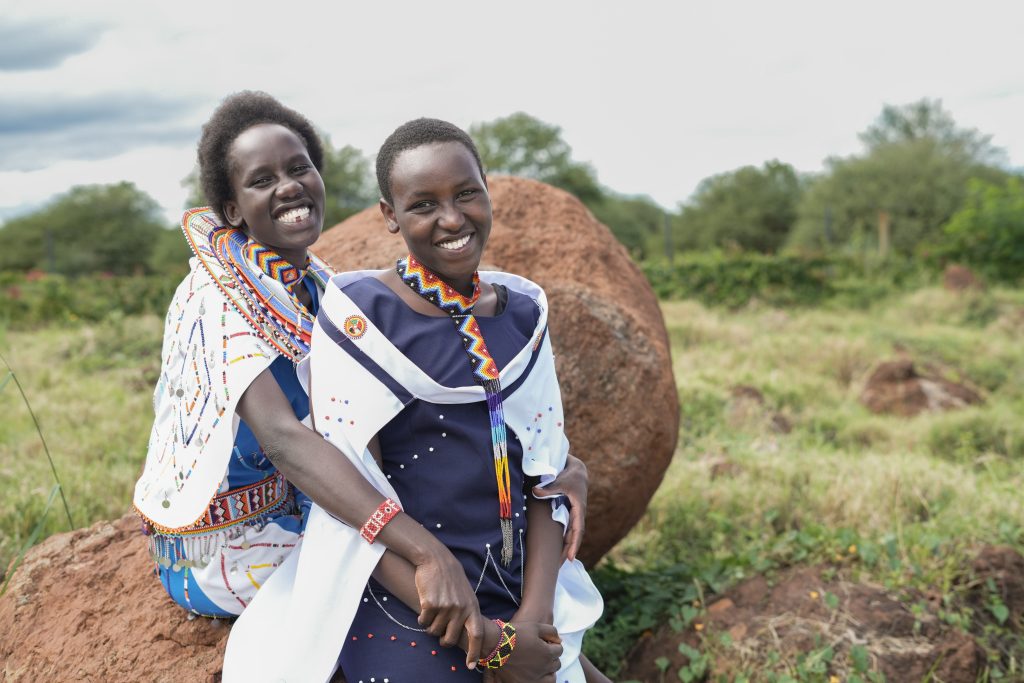
Jane Nkotai, End FGM/C advocate sits to the left, behind her sister. Both are wearing traditional dress and smiling (c) Amref Health Africa/Wesley Koskei

Jane Nkoitai, end FGM advocate, Kenya

Jane is 23 years old. From a small village in Kajiado County, Kenya, she’s forged a future for herself to lead change. And she started with herself when she refused the tradition of Female Genital Mutilation. She ran away from home, got support from Amref Health Africa to learn more about the negative impacts of the cut, and got leadership training to help her advocate for change.

Now, she says her proudest moment was when she put those skills into action to save her younger sister from the cut.

"I have a lot to share [with] the world, not only girls in Kenya but globally. I believe in myself that I am a voice for change."

Jane Nkoitai
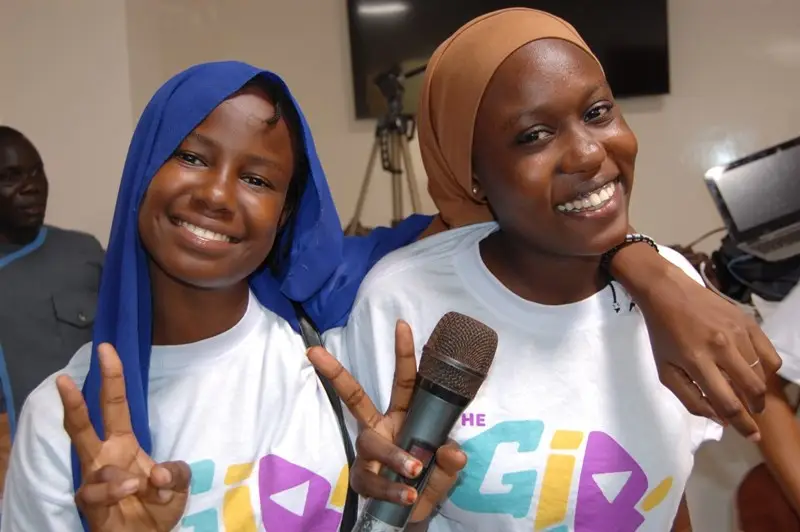
Coumba Aw, end FGM advocate, Senegal

Coumba leads one of the girls’ clubs that speaks out against FGM/C where she lives in Kolda, southern Senegal.

She speaks to young people and parents about the dangers of FGM/C and organises educational events for them to share their thoughts around FGM/C. These dialogues are creating real change because they allow for open, honest (if tough) conversations between generations.

"These conversations are moments of real sharing and understanding."

Coumba Aw
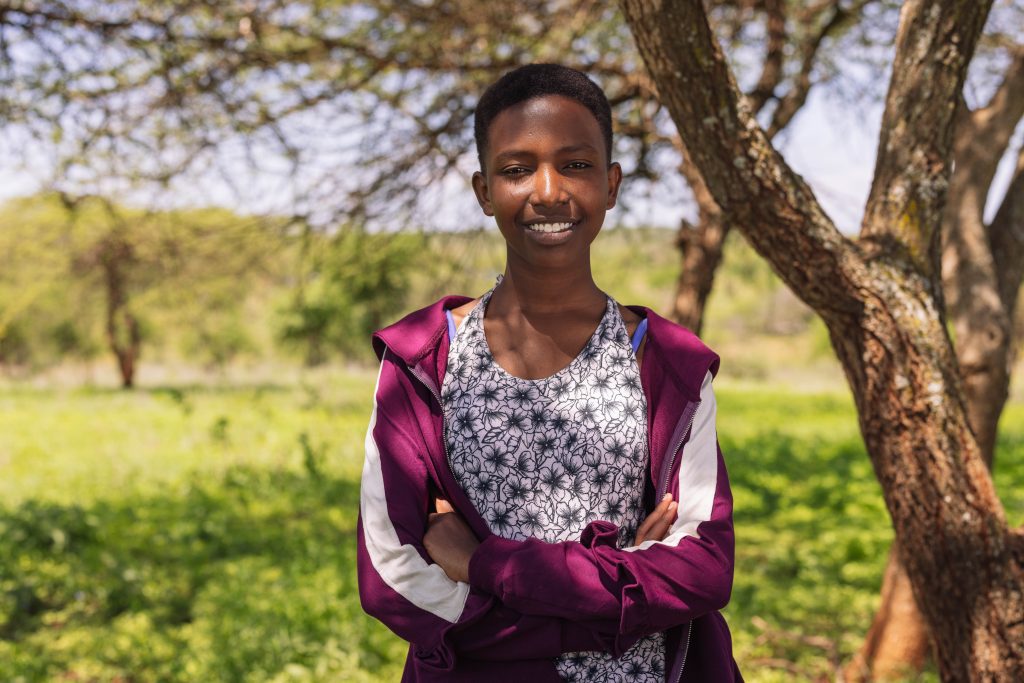
Mercy Soila, end FGM advocate, Kenya

Mercy wanted to undergo FGM. She saw it as a tradition central to her culture and to her future. Her own grandmother was an elder who practised FGM – she was a ‘cutter’. But Mercy’s mother fought to keep her safe – even fighting against what Mercy thought she wanted.

“Not many women dare to stand up to their own community. And not many men then dare to support their wives,” says Mercy. She was lucky that she had both fighting for what was right for her.

Mercy was often teased for not having undergone FGM at school, but when she reached high school, “everything got better”. There, there were a lot more girls who were uncircumcised. There she also learnt more about what the procedure entails, how much it hurts and what the risks are.

“Little by little, I learned to realise how incredibly good what my mother does is. And now I am so grateful to her. I am now going to school, I can probably go to college, I [am] a role model and talk to girls about this issue.”

"My future is ahead of me."

Mercy Soila

Images: (banner) Jane Nkoitai (c) Amref Health Africa/Esther Sweeney; Jane Nkoitai and her sister in Kajiado, Kenya (c) Amref Health Africa/Esther Sweeney; Coumba Aw and a peer end FGM advocate from Kolda, Senegal (c) Amref Health Africa; Mercy Soila at home in Kajiado County, Kenya (c) Amref Health Africa/Sarah Waiswa
Related Articles

Announcements, Uncategorised

|

Amid uncertainty, there is hope

Read Article
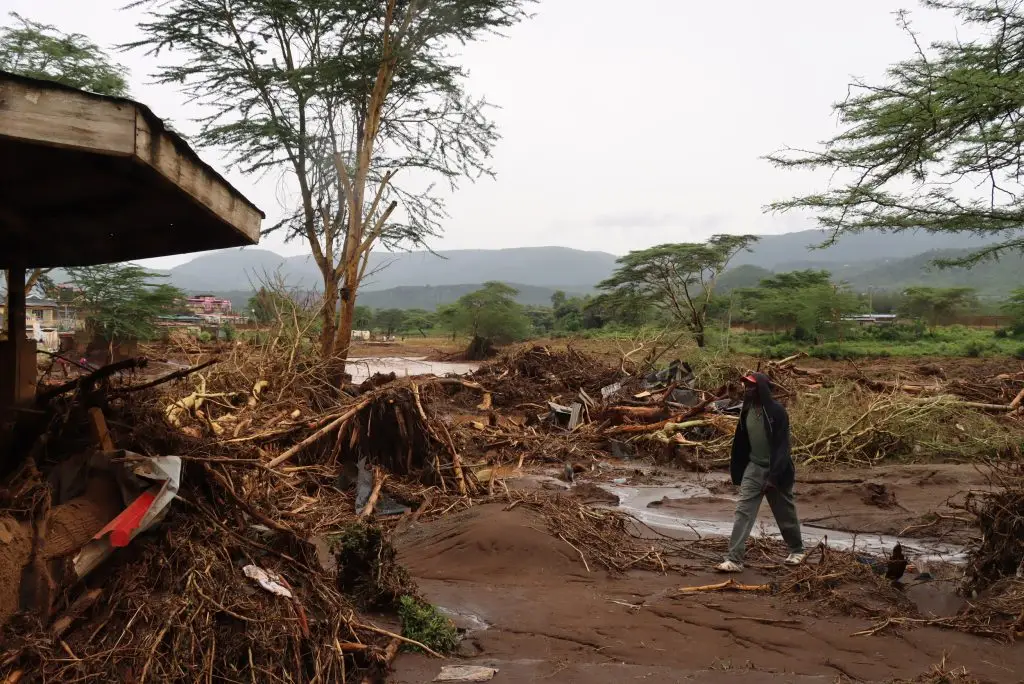
Destruction in the aftermath of devastating floods in Nairobi, Kenya in 2024 (c) Amref Health Africa/Linda Mwendwa Kariuki

Health & Climate Change

|

From Loss and Damage to Health and Justice

Read Article

Social Determinants of Health

|

Amref point of view: Africa’s Pivot Moment on NCDs

Read Article

Health Innovations

|

Youth for Tobacco-Free Futures

Read Article

Women & Girl’s Health

|

Knowledge + Skills = Power

Read Article

Amref Health Africa is Africa’s
leading health NGO, working with communities in 35
countries to secure the right to health and break the cycle of poverty.

Registered charity no. 261488 (England & Wales)
Company no. 00982544

Donate Now

Contact Us

Accessibility Statement

Privacy & Cookie Policy

Terms & Conditions

Get in touch

Canopi, 82 Tanner Street, London, SE1 3GN
020 7269 5520
info@amrefuk.org

Follow us on
Facebook Twitter Linkedin

© 2025 Amref Health Africa UK. All rights reserved.

#Kijana ChatBot

✕